


Post-Renovation Cleaning in Sofia: When the Fine Details Start to Show
After replacing flooring, spackling, painting, or installing a kitchen, the home looks almost finished, but a quick wipe-down is rarely enough. In Sofia, residual construction dust mixes with urban pollution on window sills, window frames, and grout lines; the Sofia Municipality itself provides information on measures related to air quality, because fine particulate matter is a real seasonal factor. That is why post-renovation cleaning in Sofia is planned as a separate visit, rather than an extended version of regular housekeeping.
A typical apartment of about 60–80 square meters usually requires a team of two people for 6–9 hours, provided there is unobstructed access to the premises, as well as running water and electricity. For homes with two bathrooms, extensive window frames, or after sanding and polishing, the time on-site may increase because dust settles back onto tracks, outlets, frames, and upper horizontal surfaces even after the first pass.
This service is part of the broader category professional cleaning, but it involves a more intensive sequence: dry dusting, removal of grime, washing, a final inspection, and airing out depending on the season.
Dusting of rooms, baseboards, and high surfaces
In many Sofia homes, the rooms are compact and connected by a hallway, which accelerates the spread of dust from one room to another. Data from the National Statistical Institute (NSI) for the Sofia (capital) region show that the majority of homes have two or three rooms, which explains why cleaning crews often follow a clear route rather than cleaning “piecemeal” in each area. The housing stock in the Sofia (Capital) region serves as a practical reference point for this type of organization.
- Start with a dry pass Dust is removed from upper cabinets, doors, door frames, light fixtures, window sills, and tracks before the floors are wet-cleaned.
- Then comes the details Traces of latex, silicone residue, and glue stains are treated locally depending on the surface, without aggressive scrubbing on sensitive finishes.
- The floors are left for the final phase Laminate, porcelain tile, hardwood, or terracotta are cleaned after the furniture and wall areas are finished to prevent them from getting dirty again.
If the renovation was limited to a single room, the transitional areas should still be checked: the hallway, door handles, and nearby window sills often accumulate more fine dust than the room itself.
Washing windows, window frames, and traces left by workers
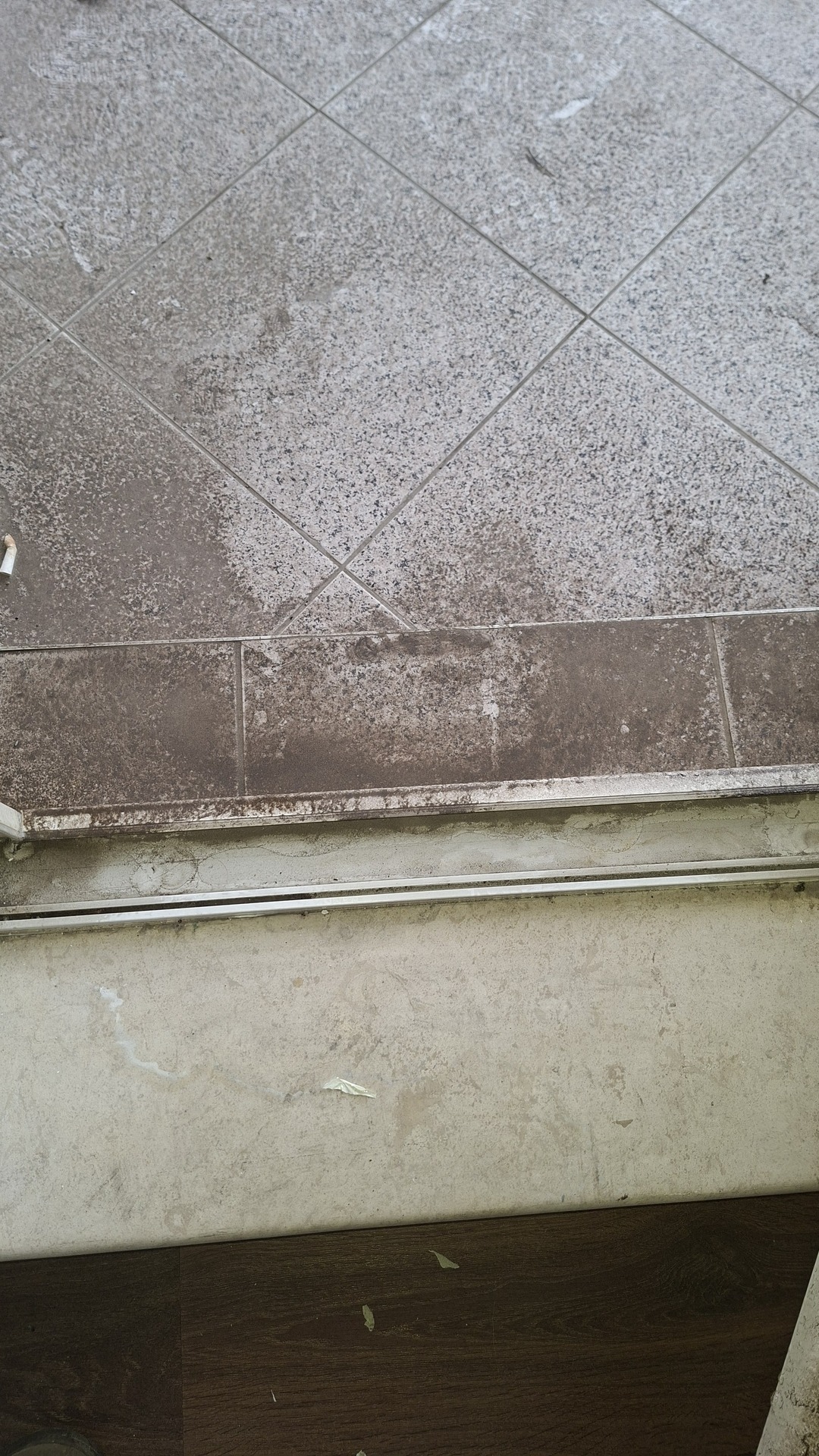
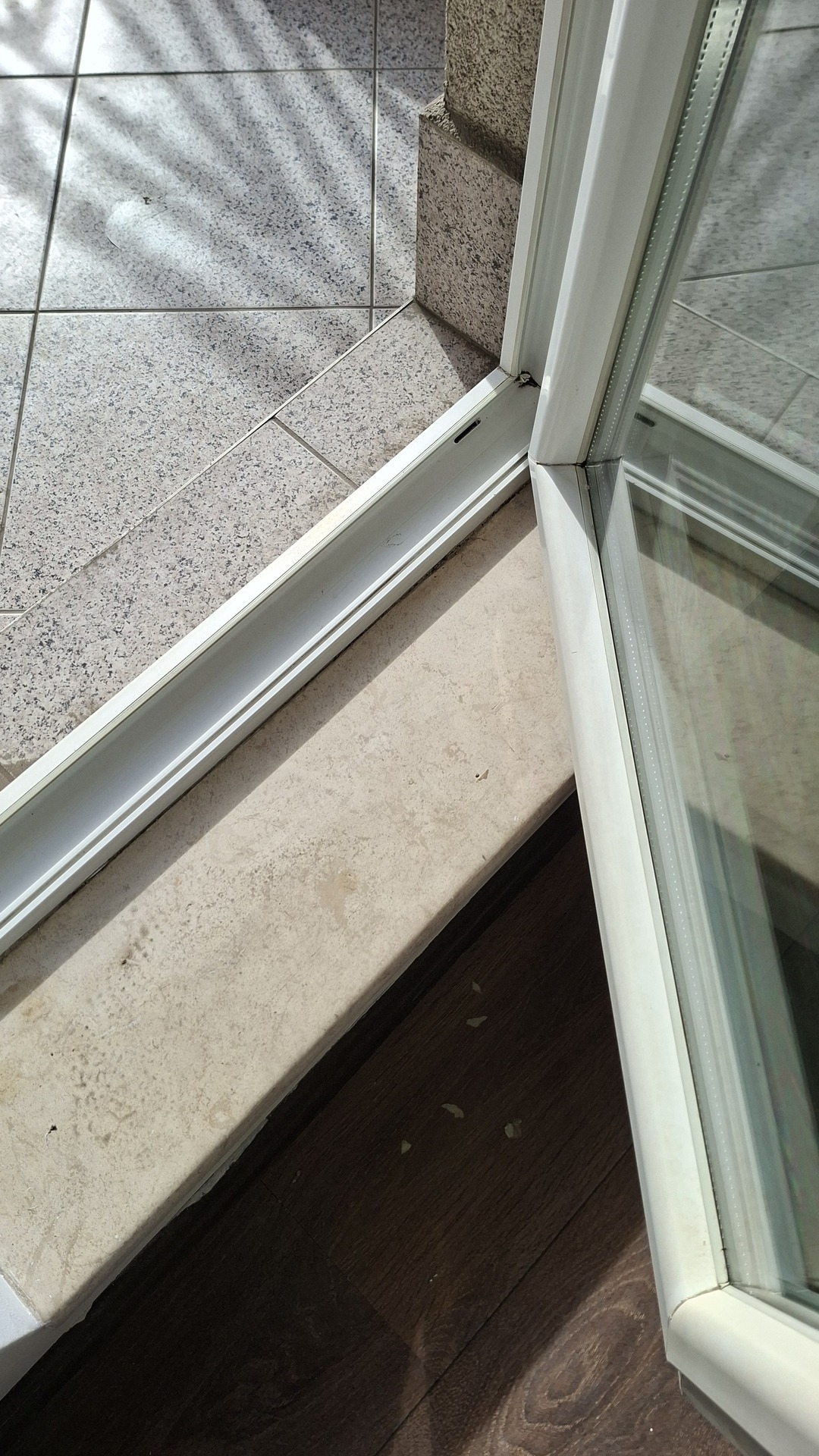
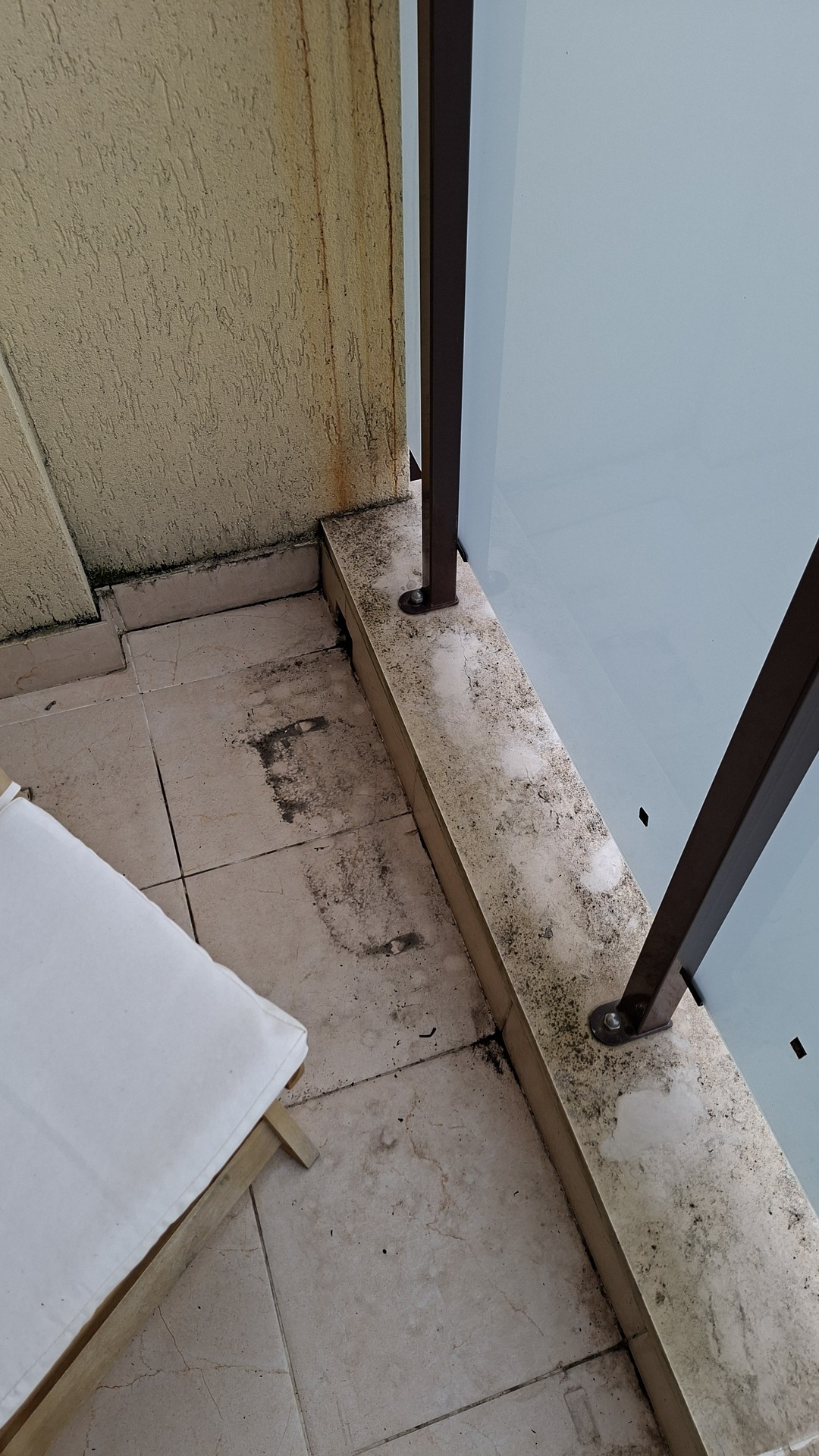
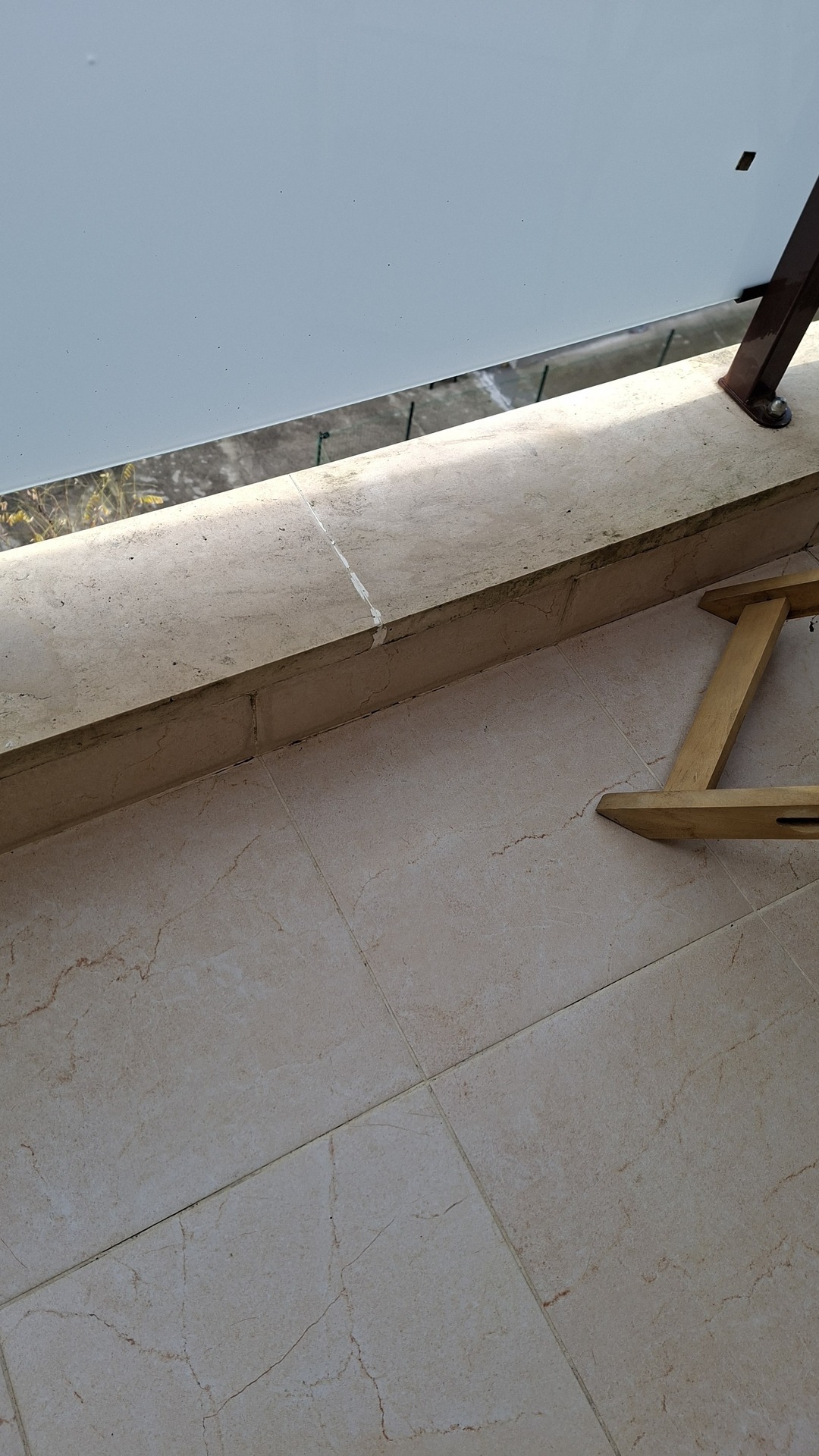
Window frames are one of the most time-consuming parts of the final cleaning. In neighborhoods with busy boulevards, grime on the exterior window sills is thicker, and after renovations, the interior frames often retain dust from spackling, paper tape, and small paint stains. When the windows are tall or there is a glass-enclosed terrace, the service is scheduled with extra time allocated for tracks, rubber seals, and corners.
If you need special attention for the glass surfaces, you can add window cleaning to your request. This is useful after replacing window frames, glazing a balcony, or renovating a kitchen, where a fine greasy film remains on the glass. The cleaning solution is selected based on the type of dirt: a standard wash after painting is one thing, while carefully removing dried spots of primer or adhesive is another.
Preparation Before the Team Arrives for Faster Final Cleaning
The best results are achieved when the home is ready for work as soon as the team arrives. The customer doesn’t need to clean beforehand, but a few practical steps can save hours and reduce the risk of scratching the new surfaces.
- Professional ToolsDrills, buckets, leftover panels, and workers’ personal belongings should be removed or gathered in one area.
- Water and ElectricityThe crew needs access to an electrical outlet, lighting, and running water, especially for the bathroom, kitchen, and floor cleaning.
- Construction WasteThe service does not include the removal of bags containing plaster, bricks, tiles, plumbing fixtures, or heavy materials; these must be removed in advance.
- Sensitive AreasNew varnished hardwood floors, natural stone, designer faucets, or custom-painted surfaces should be noted during the initial inspection.
If only everyday signs of occupancy remain after the renovation, a more appropriate next step may be deep cleaning rather than another intensive post-renovation visit.
Cleaning the kitchen and bathroom after dust, silicone, and grime
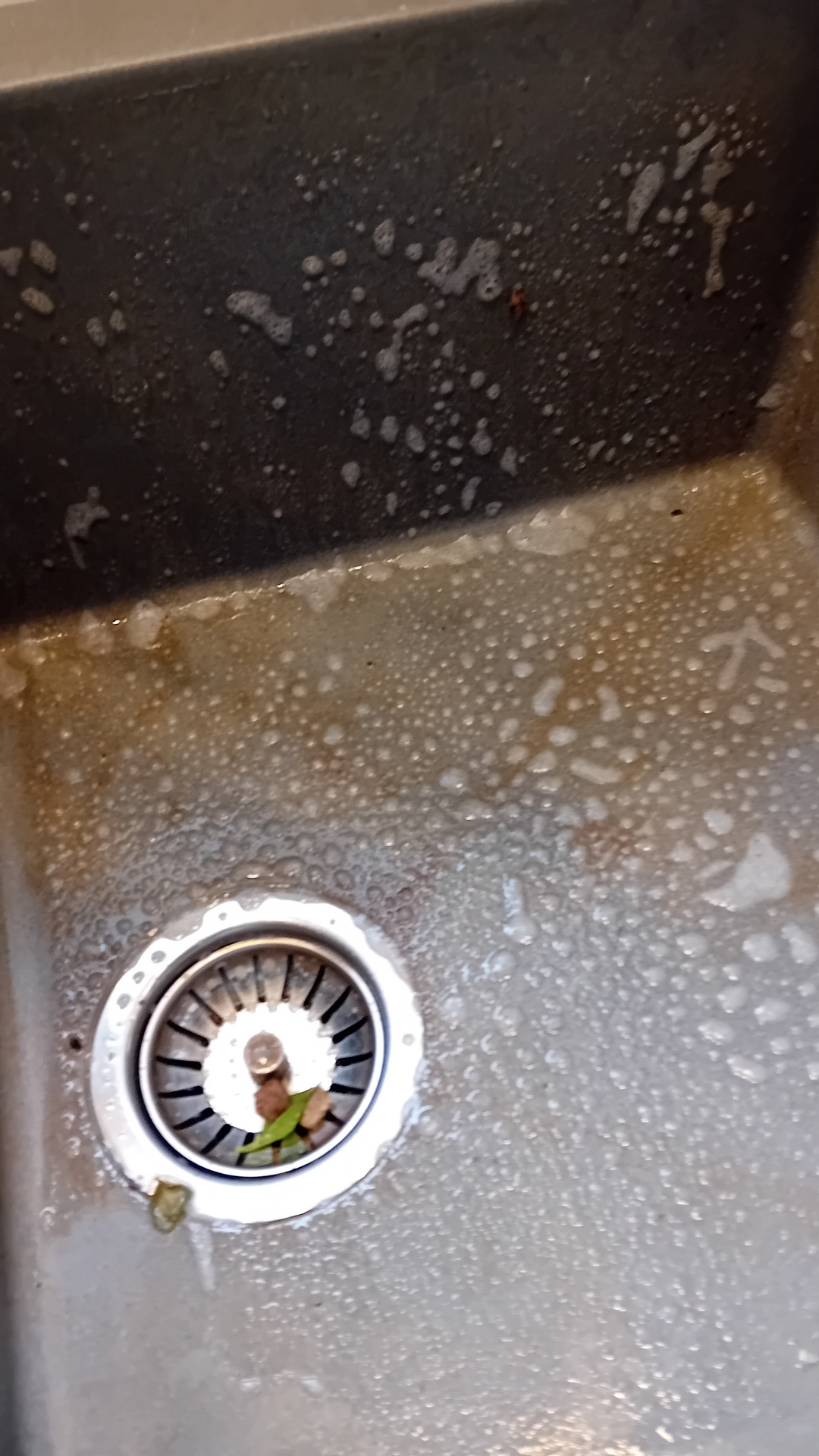
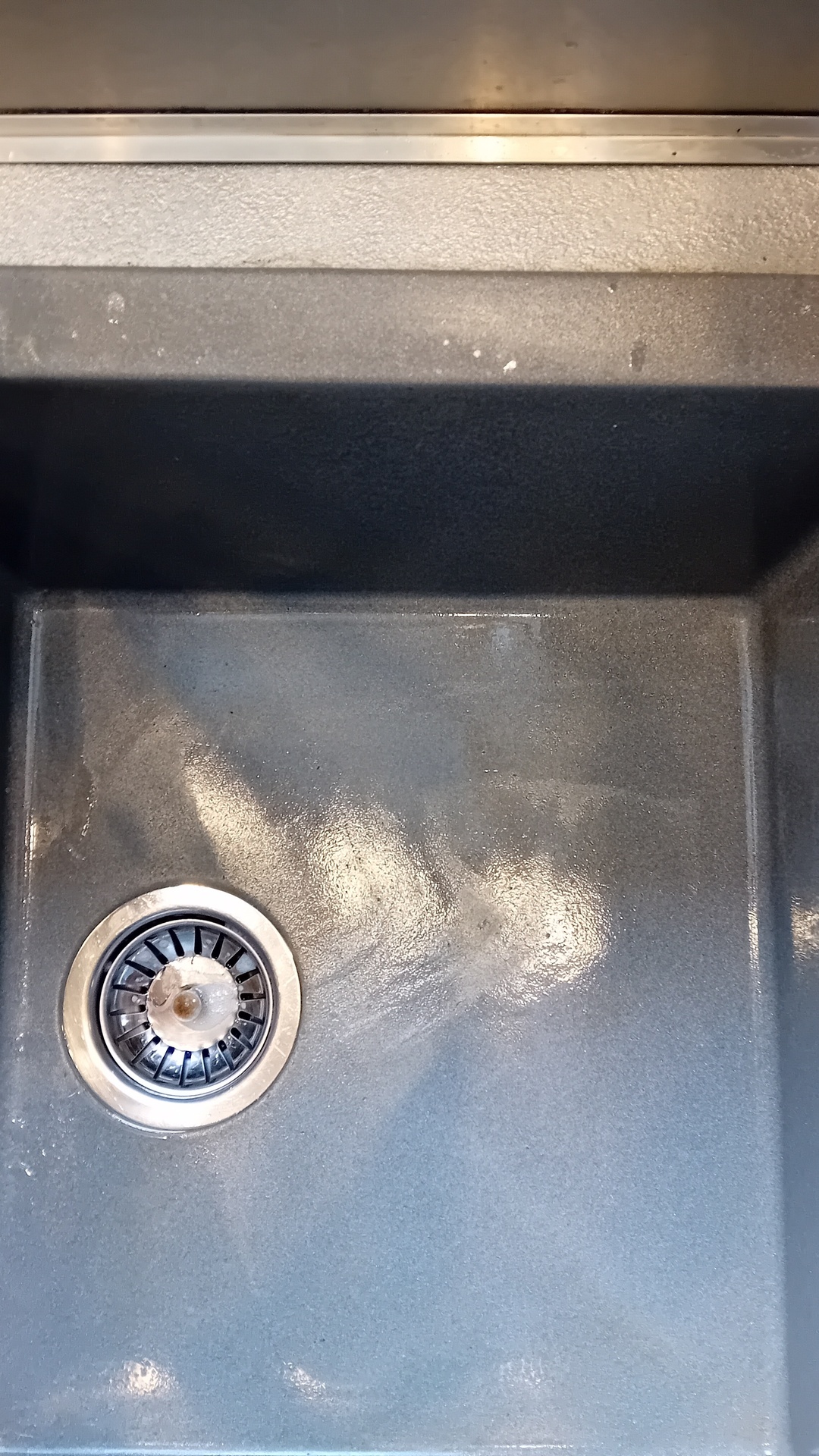
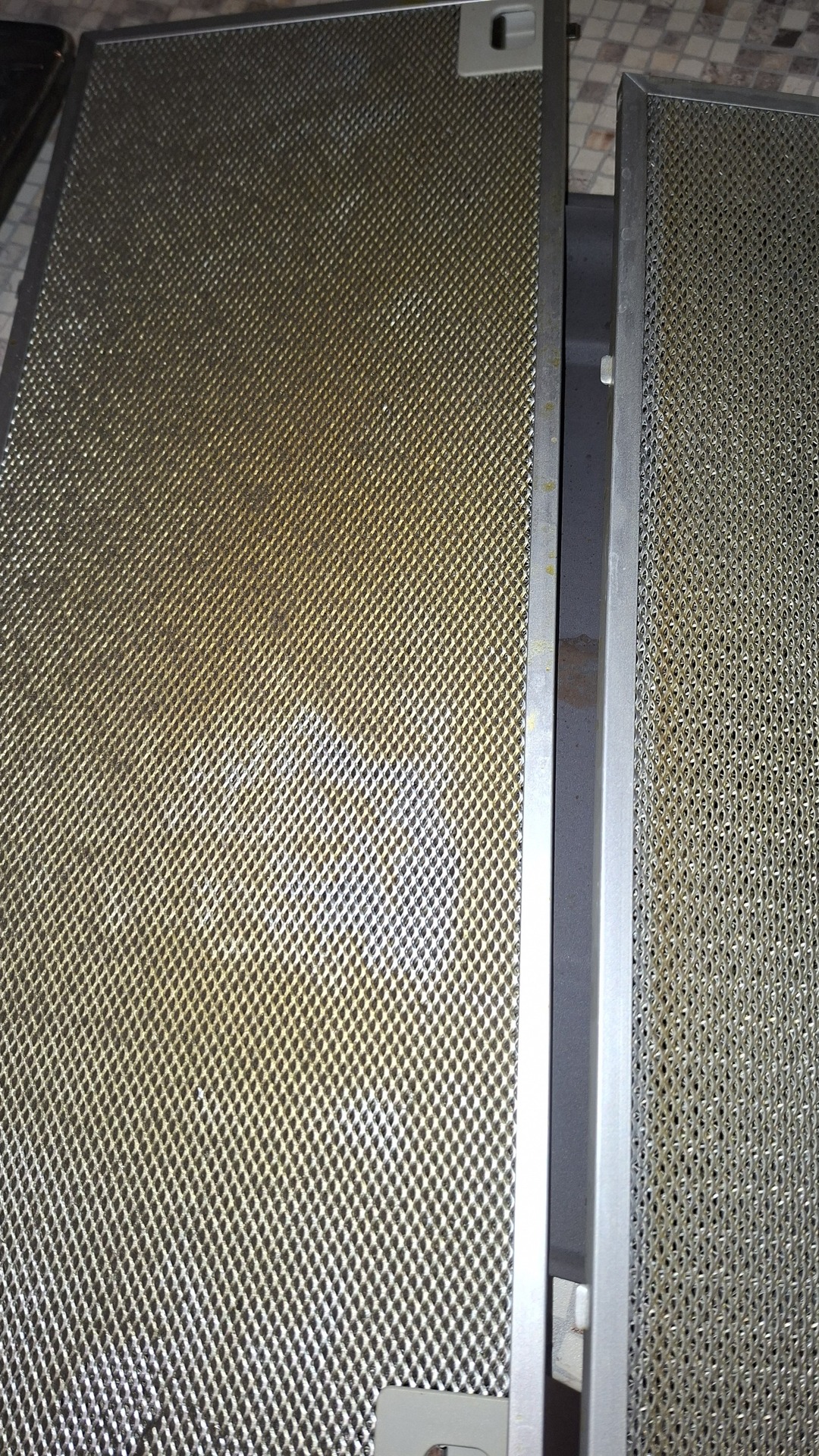
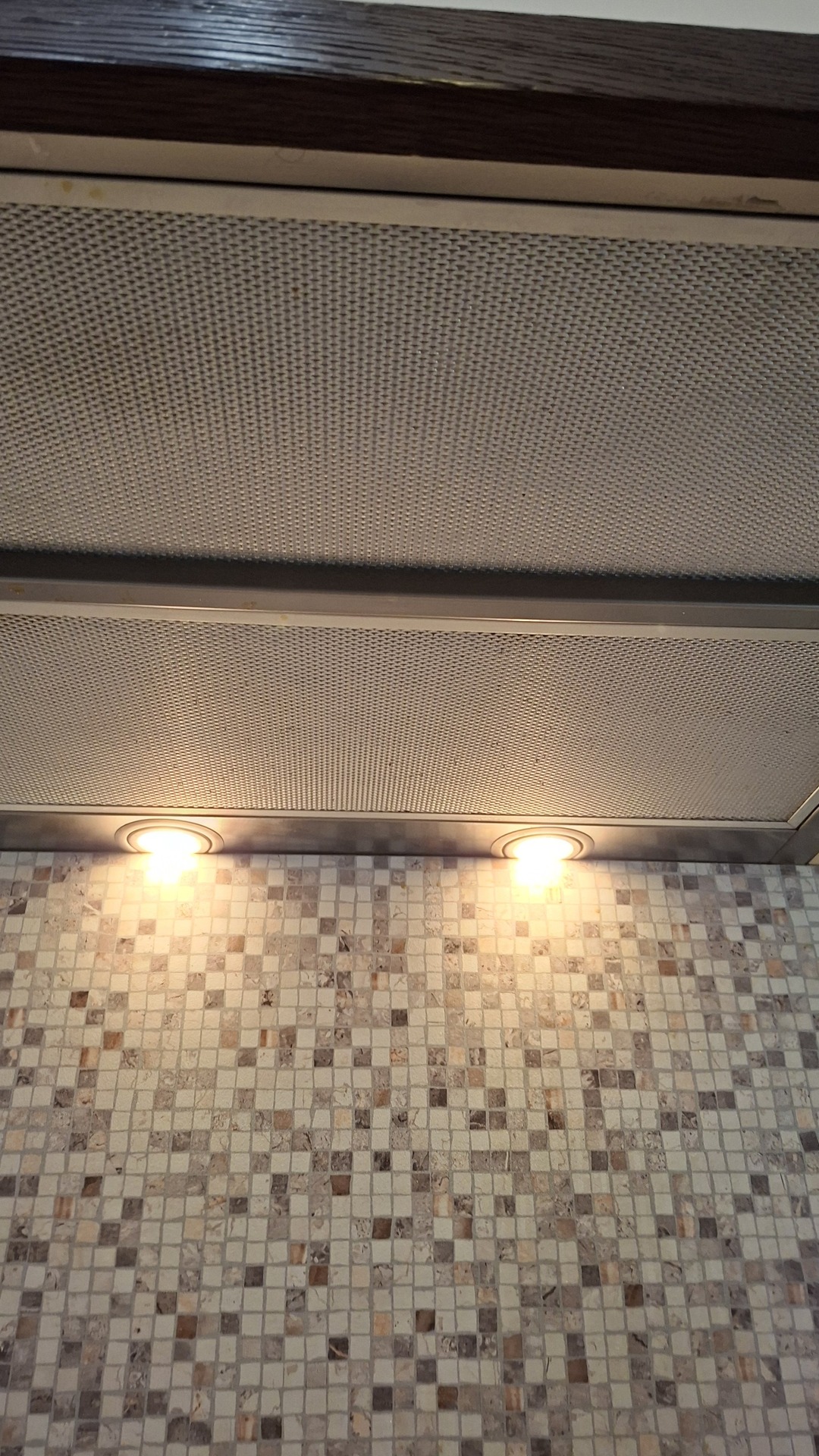
The kitchen and bathroom usually set the pace for the entire day. In the kitchen, we start with the upper cabinets, lighting, and countertops, then move on to the backsplashes, the exteriors of appliances, handles, and baseboards. If the cabinets are new, their interiors are cleaned only when they are empty and accessible; protective films are removed carefully, without using sharp objects on easily scratched surfaces.
In the bathroom, the most time-consuming areas are the grout lines, faucets, glass partitions, drains, and traces of grout. In the spring and fall, when rainfall in Sofia more often brings mud into the entryway—according to open data from the National Institute of Meteorology and Hydrology (NIMH) on monthly precipitation totals, wet areas and the hallway are checked more thoroughly for traces left by contractors. If there is a heavy buildup of limescale or residue around the bathroom fixtures, this can be combined with bathroom cleaning.
Final inspection after washing floors and surfaces
Once the rooms have been cleaned from top to bottom, the team conducts a second walkthrough, focusing on areas that most often reveal unfinished work: corners near window sills, window tracks, the top edges of doors, outlets, light switches, baseboards, and the space behind freestanding furniture. Good organization minimizes the resuspension of dust and leaves the home ready for unpacking, hanging textiles, and normal use.
Post-renovation cleaning in Sofia is not a service for demolition, collecting bulky waste, or hauling away heavy bags. It begins once the construction work is complete and the rooms are accessible. For a standard home, it’s most practical to schedule the service immediately after the final installation and before bringing in small items, because that’s when floors, cabinets, windows, and bathrooms can be cleaned without having to constantly move things around.
 WORK
WORK