


Professional cleaning in Пловдив for homes with a realistic schedule
In Пловдив, residents most often book the service for weekly or fortnightly upkeep, a fuller clean after tradespeople, seasonal refresh work, and a complete reset when occupants move out. When you search for professional cleaning in Пловдив, the practical question is not only what is included, but how much time the actual layout, flooring, window frames, bathroom and kitchen will require.
For a home of around 45–60 m², regular maintenance by one cleaner usually takes about 2.5–4 hours. For 70–90 m² with two bedrooms, more furniture or a heavily used kitchen, the visit is often planned for 4–6 hours; deep or post-renovation work can need two cleaners for 6–10 hours depending on the level of residue. In higher blocks in Trakia, Hristo Smirnenski and other residential districts and complexes, timing is also shaped by the lift, water access, equipment space and the number of windows.
This page belongs to the wider professional cleaning category, but the focus here is strictly residential: kitchens, bathrooms, bedrooms, living rooms, balconies, interior frames, upholstery and appliances when those are requested in advance.
How cleaning runs room by room and surface by surface
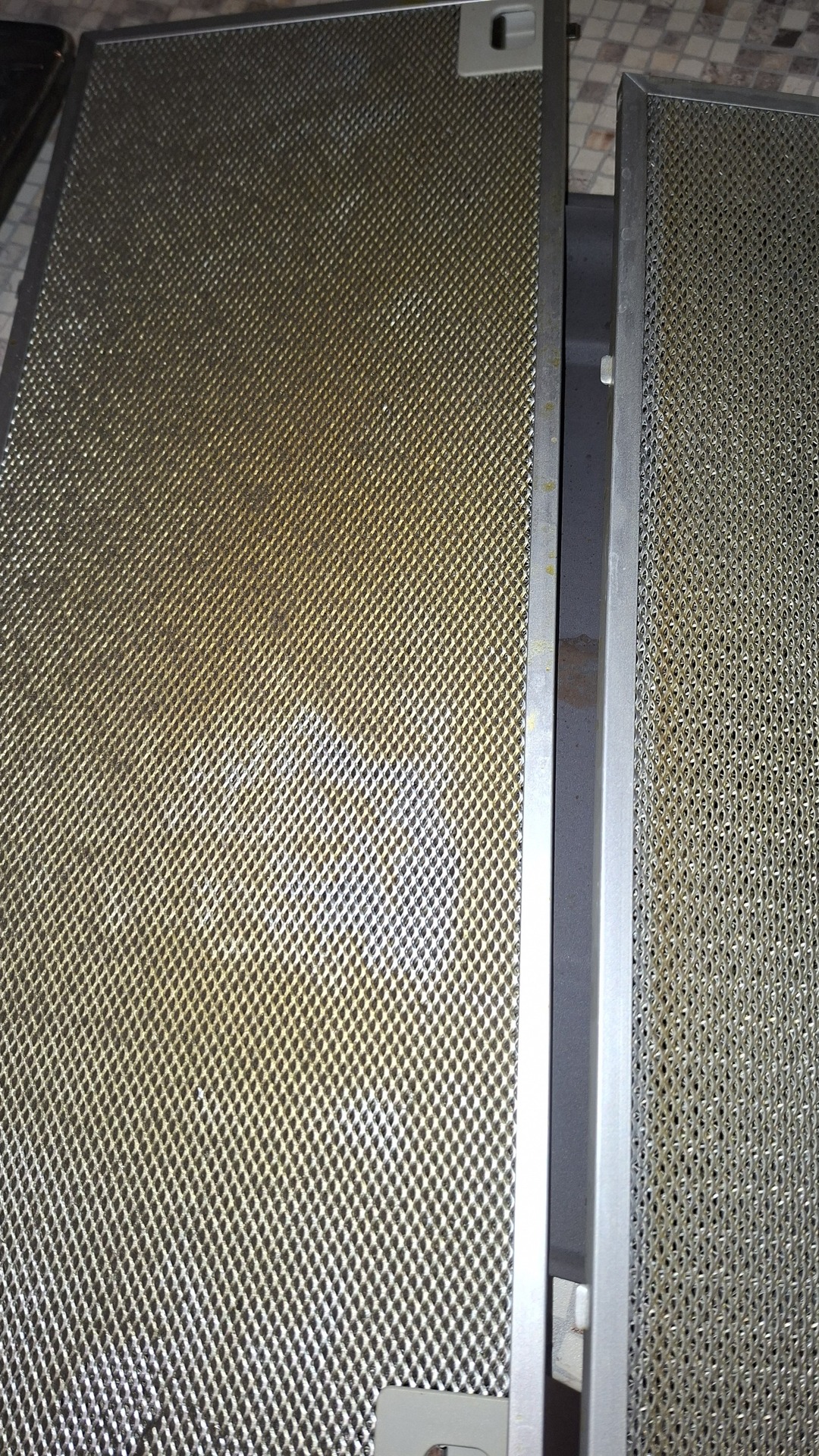
A well-run visit starts with dry areas and ends with wet zones, so detergent residue and moisture are not carried back through the home. During regular upkeep, the work moves from top to bottom: open shelves, reachable light fittings, doors, worktops, furniture, switches, skirting boards, and then floors. With deep cleaning, the plan can add inside cupboards if they are empty, more detailed degreasing, grout lines, drains, limescale and marks around handles and switches.
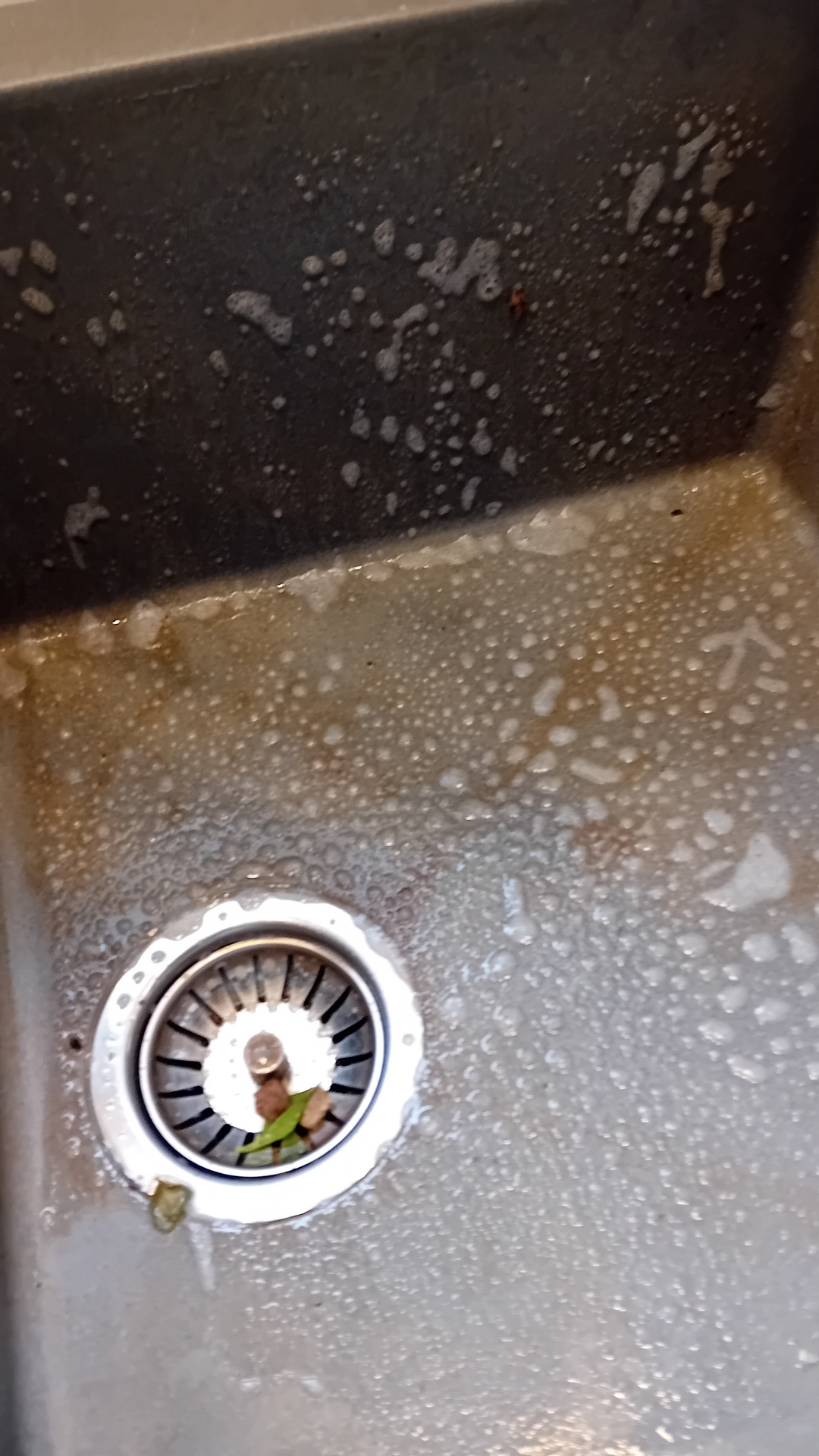
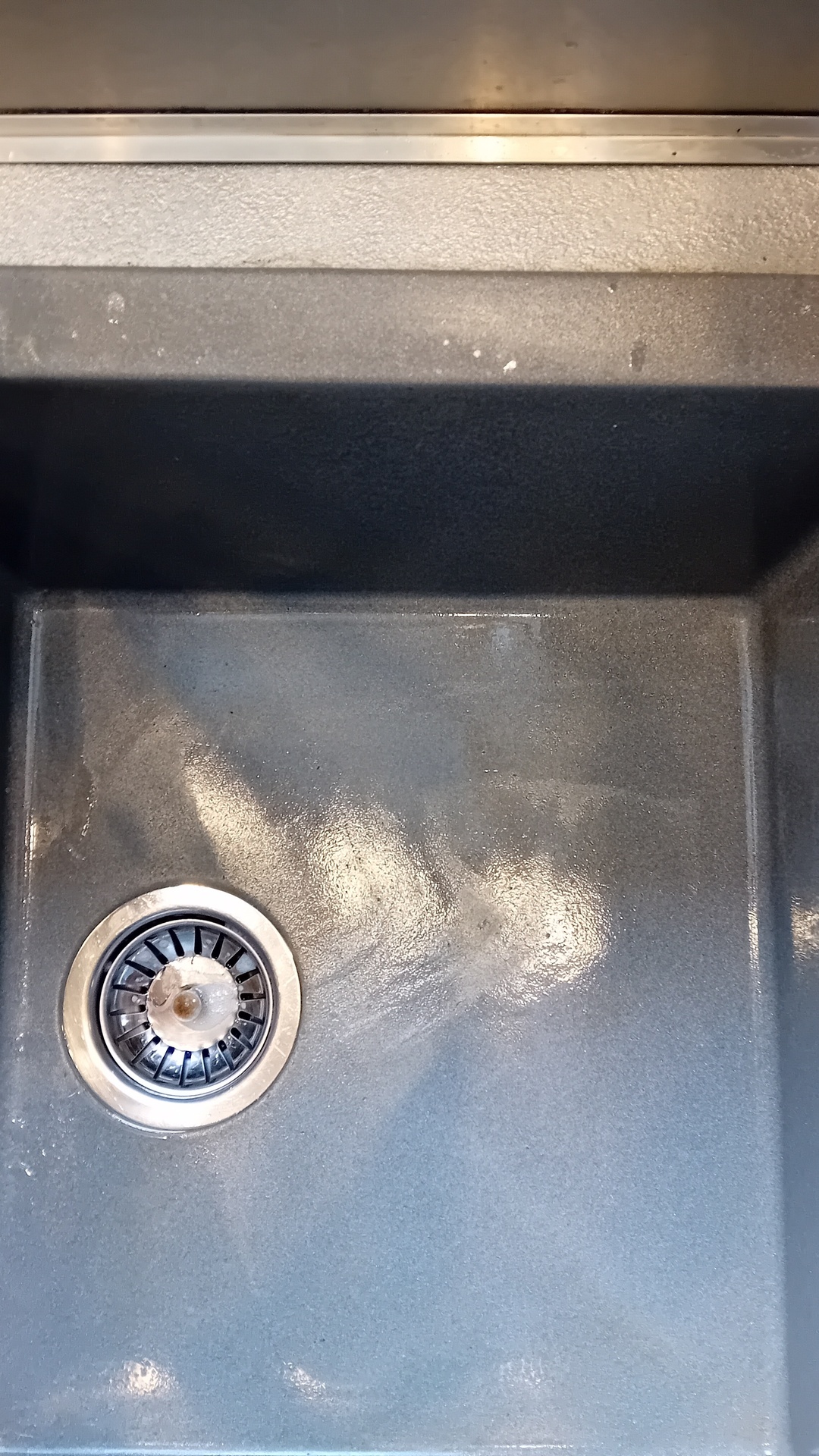
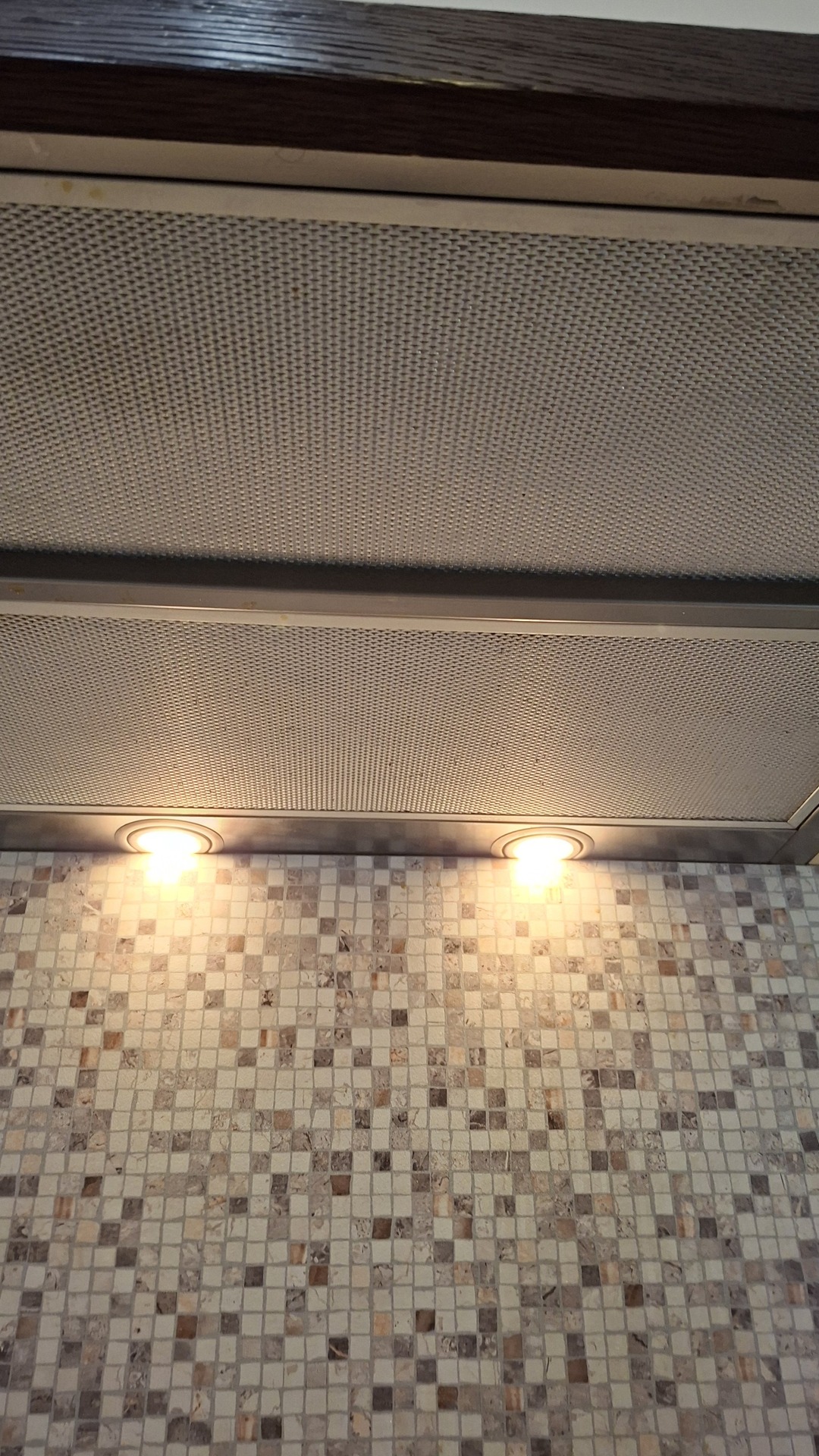
- Kitchen Work starts with counters, splashback, sink and exterior cupboard fronts; oven, fridge and cupboard interiors are handled only as a separate request or if agreed beforehand.
- Bathroom Sanitary ware, taps, the shower area, mirror, grout and floor are cleaned; heavy limescale needs product dwell time, not just scrubbing.
- Living room and bedrooms Open surfaces are dusted, accessible areas under furniture are vacuumed, and skirting boards, doors and handles are wiped.
- Floors Vacuuming comes before damp mopping; parquet and laminate are cleaned with controlled moisture to avoid swelling at the joints.
Deep washing for pollen, winter film and construction dust
Homes in Пловдив soil differently across the year. In winter, grey deposits collect on window sills, air-conditioner filters and the inner side of frames because the municipality states that household heating remains a main source of pollution in the city. In those months, deeper washing needs more dry removal before wet treatment; otherwise fine particles smear across white boards and glossy cabinet fronts.
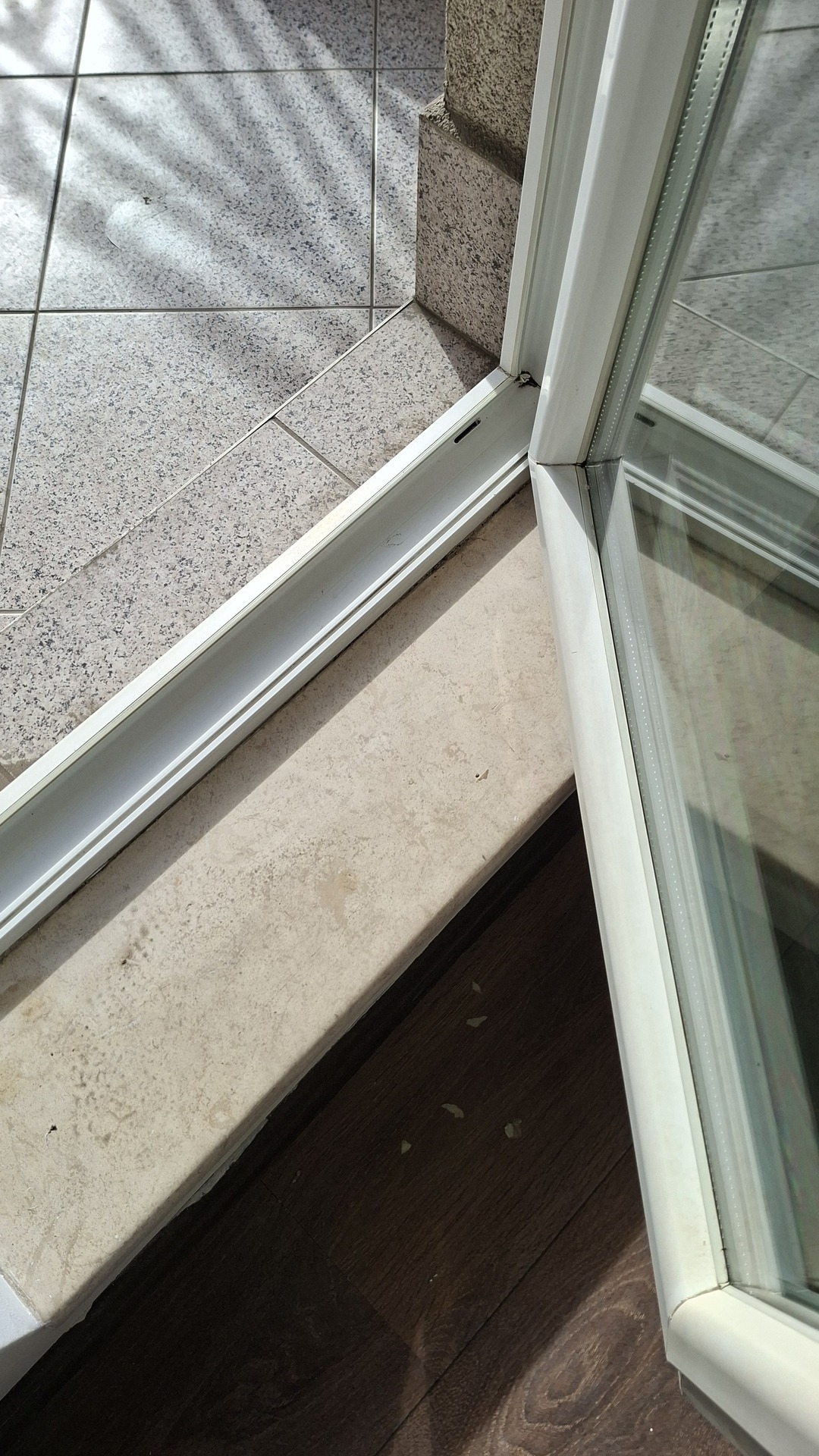
In spring and early summer, pollen collects on insect screens, balconies and window tracks, while the city’s wide annual temperature range often means cycles of condensation, dust and dried rain marks. That is why window cleaning is best planned with frames, sills and screens, not glass alone. Upholstery is treated separately when there are drink stains, pet marks or a cooking smell held in the fabric.
Preparation before the visit for faster cleaning
The clearer the home is before the team arrives, the more time is left for actual washing, degreasing and detail work. The client does not need to clean in advance, but small items on counters and shelves slow the visit because each object has to be moved, protected from moisture and returned.
- Access and timingMake sure the entry phone works and that a key or person is available; for larger homes, a morning start is better when the bathroom, oven and windows are included.
- Clear surfacesMove cosmetics, documents, toys and small devices from the work areas so counters and shelves can be cleaned without interruption.
- Water and electricityLeave access to a sink and power socket; machine washing of a sofa or mattress cannot be done without them.
- PetsAnimals should stay in a separate room while detergents and noisy equipment are in use, with bowls and beds moved beforehand.
What home cleaning does not cover and when to book a separate service
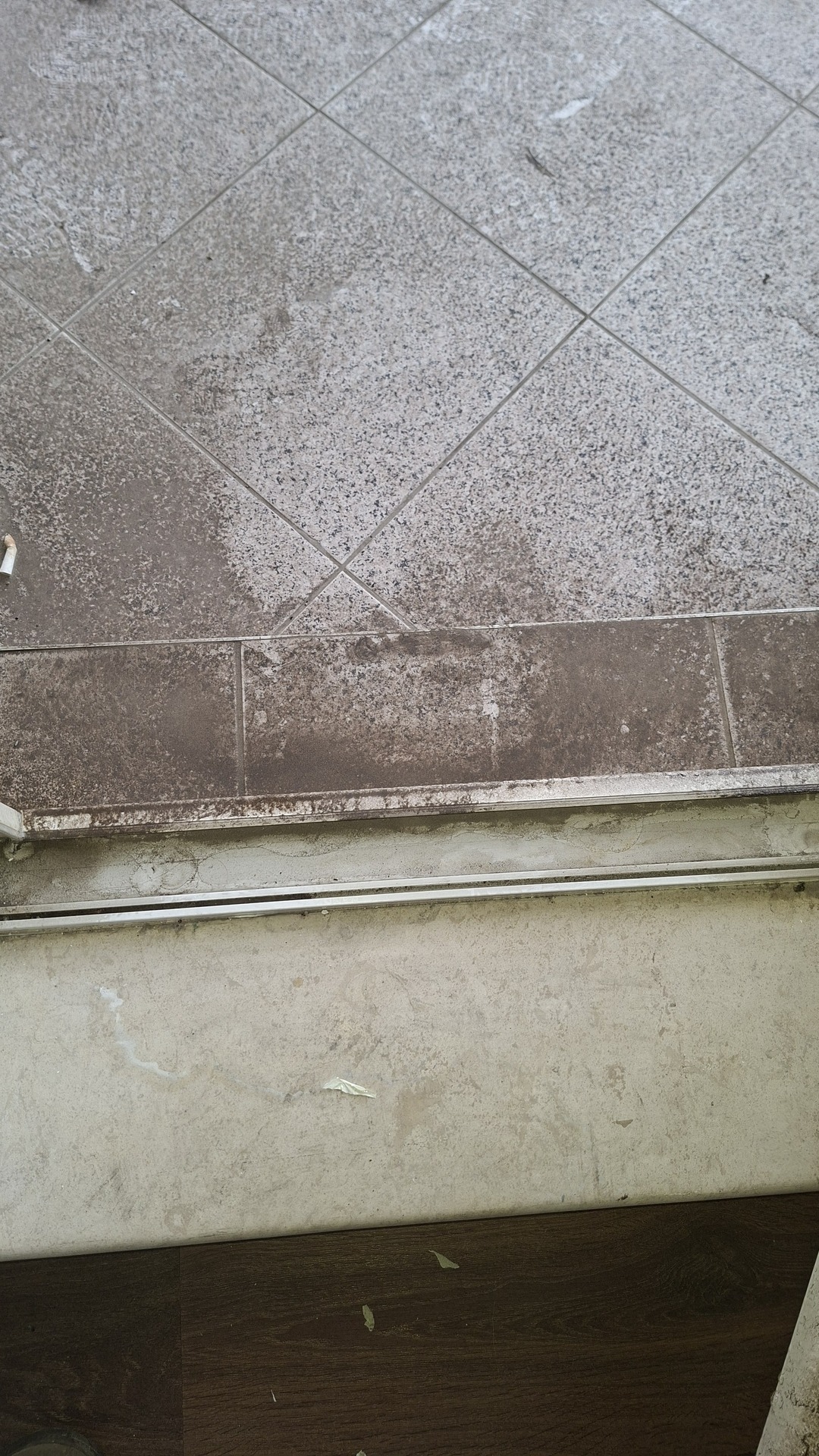
Home cleaning does not include repair work, moving heavy furniture, dismantling drains, deep mould treatment, collecting building waste, hazardous materials or high-access work without safe reach. When there are traces of plaster, silicone, paint on frames or cement haze on tiles, book after-renovation cleaning, because that requires different tools, blades, detergents and more time.
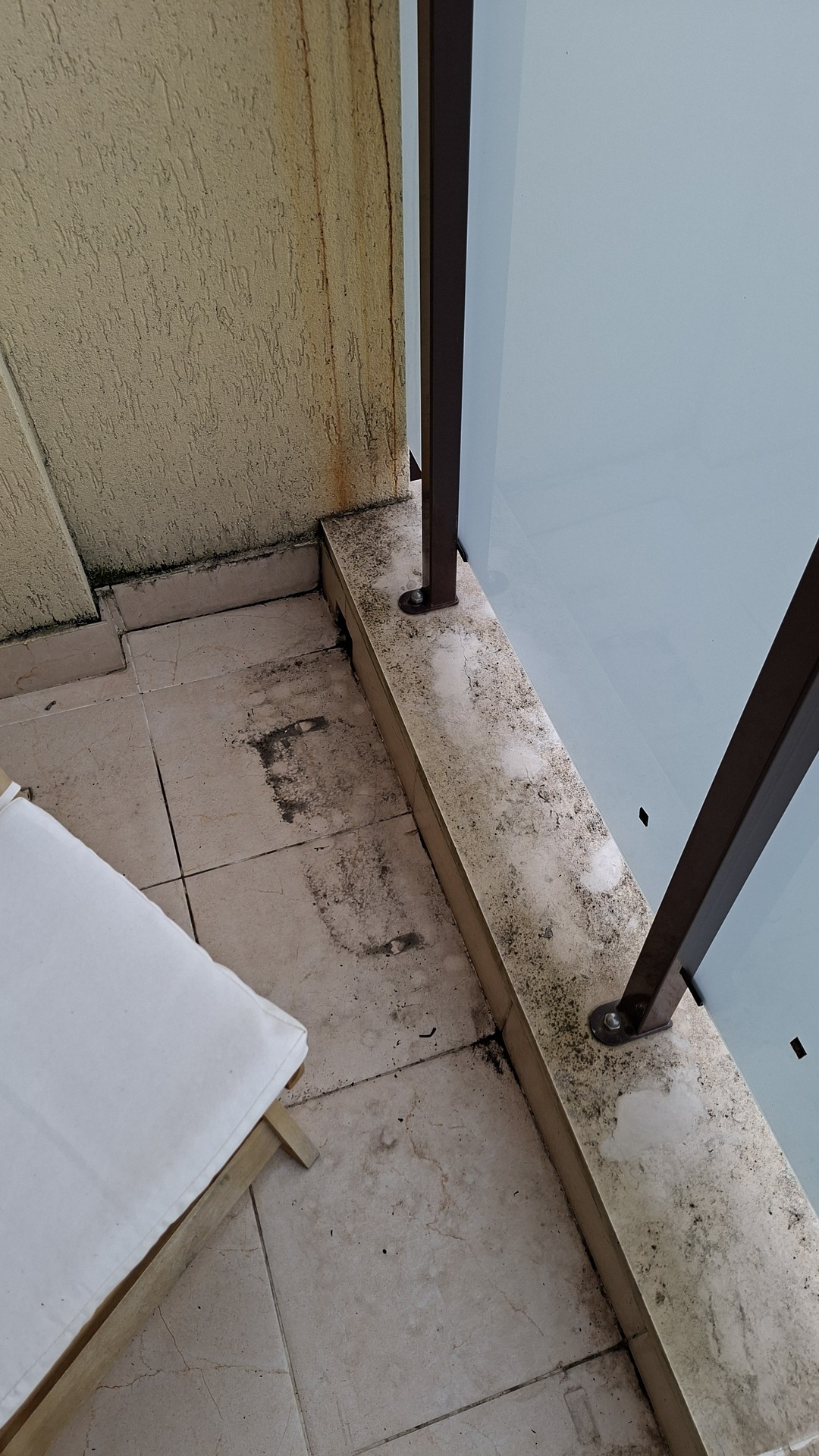
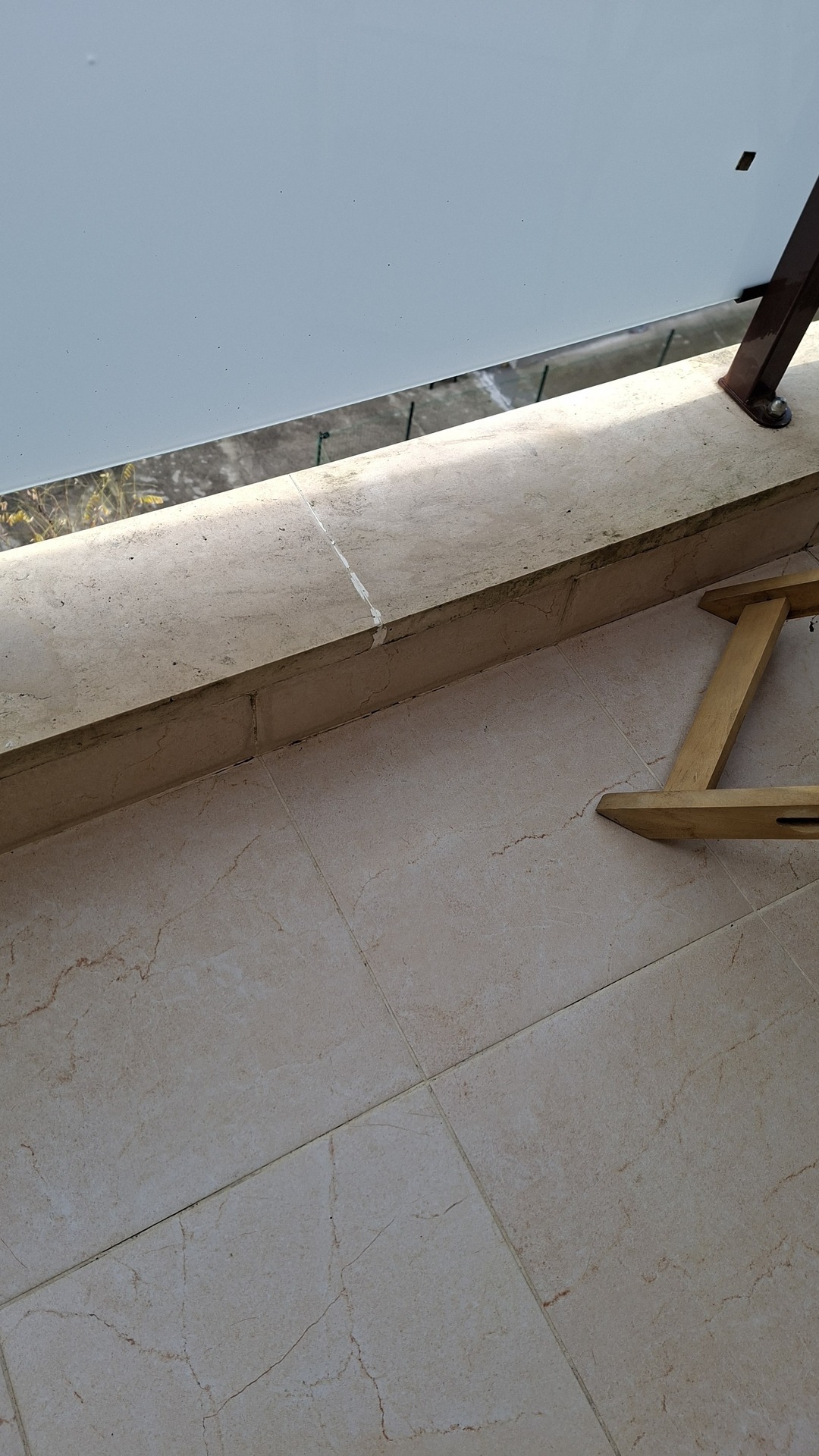
When occupants change, the focus is different: cupboard interiors, fridge, oven, bathroom, marks on doors, switches, skirting boards and balcony surfaces. If there is an upholstered sofa, armchair or mattress, hot-water extraction is planned as a separate module so the fabric has time to dry. For regular maintenance after the first fuller visit, the schedule is usually reduced by 20–30%, because built-up grime has already been removed and the team repeats the same room-by-room logic each time.
 WORK
WORK