


Professional cleaning in Стара Загора for well-kept homes in every season
In Стара Загора, home cleaning is rarely just a quick vacuum. The hot summer and relatively mild winter described in the municipality’s natural conditions data affect the rhythm inside the home: in warmer months, window frames, balconies and sills need more frequent attention, while during the heating season more time goes into the fine film on furniture, floors and textiles.
When residents look for professional cleaning in Стара Загора, the most common bookings are for regular upkeep of homes with a kitchen, bathroom, living room and bedrooms, often with added tasks such as oven, fridge, upholstery, window frames or bathroom limescale. The broader category of professional cleaning covers both one-off visits and recurring schedules, while staying focused on private homes.
In central areas and neighbourhoods with heavier urban activity, residue tends to show faster on sills and around the entrance zone of the home. In Zheleznik, Kazanski and Tri Chuchura, teams often work in homes with surfaces and fittings from different periods, so detergents are matched to the actual material rather than to a generic checklist.
How a home cleaning visit runs from room to room
The usual order starts with the dry areas: removing cobwebs, dusting from top to bottom, wiping reachable light fixtures, shelves, worktops and external furniture surfaces. The kitchen and bathroom are then treated because detergents need contact time on grease, soap marks and limescale. Floors are left until the end so freshly cleaned areas are not walked over during the rest of the visit.
- Two-room home A maintenance visit usually takes about 2.5–3.5 hours with one cleaner when there is no heavy build-up.
- Three-room home More detailed work often takes 4–6 hours, or 3–4 hours with two cleaners, especially when the kitchen, bathroom and windows are included.
- Two-storey house The visit is usually arranged with a two-person team for 6–8 hours, depending on the number of bathrooms, stairs and floor types.
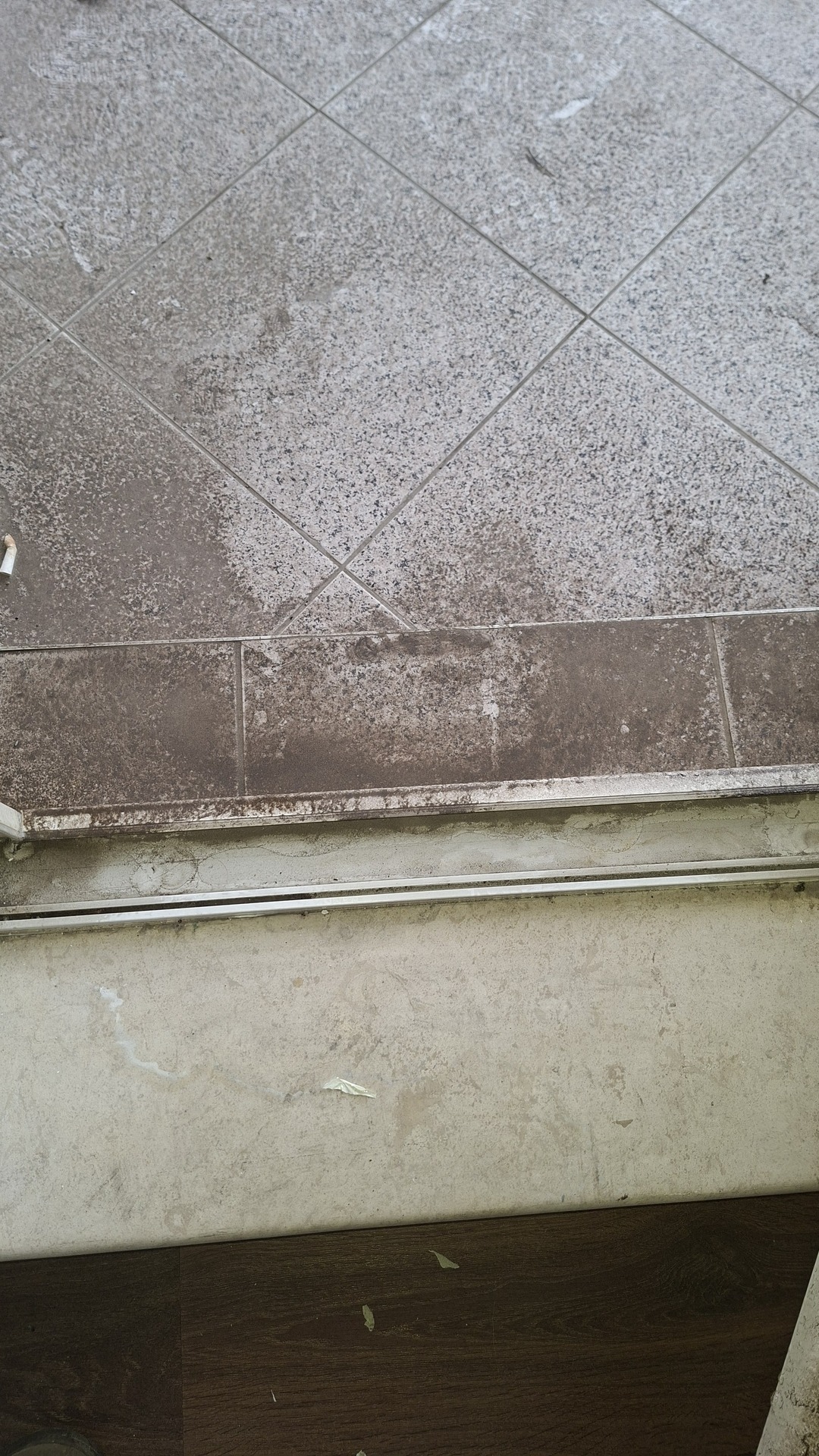
- After works or moving out More time is needed for residue in grout lines, doors, skirting boards and inner edges; in such cases, after-renovation cleaning is more suitable than standard maintenance.
With a recurring schedule, the first visit is almost always longer because it creates the working baseline: old residue is removed, difficult corners are cleared and surfaces that should not be treated with strong products are identified.
Dust removal, washing and textile care in local homes
Стара Загора Municipality monitors fine particulate matter through city stations, and its air quality information is directly relevant to how winter cleaning is planned. Even when readings improve, heating, ventilation and street dust still leave traces on horizontal surfaces, blinds and upholstery.
In homes with children, pets or frequently opened windows, deeper treatment of sofas, textile chairs and mattresses is often scheduled several times a year. Vacuuming removes what is visible, but drink stains, greasy armrests and odours need machine washing. That is why many clients add sofa and upholstery washing to the main booking when the fabric allows wet treatment.
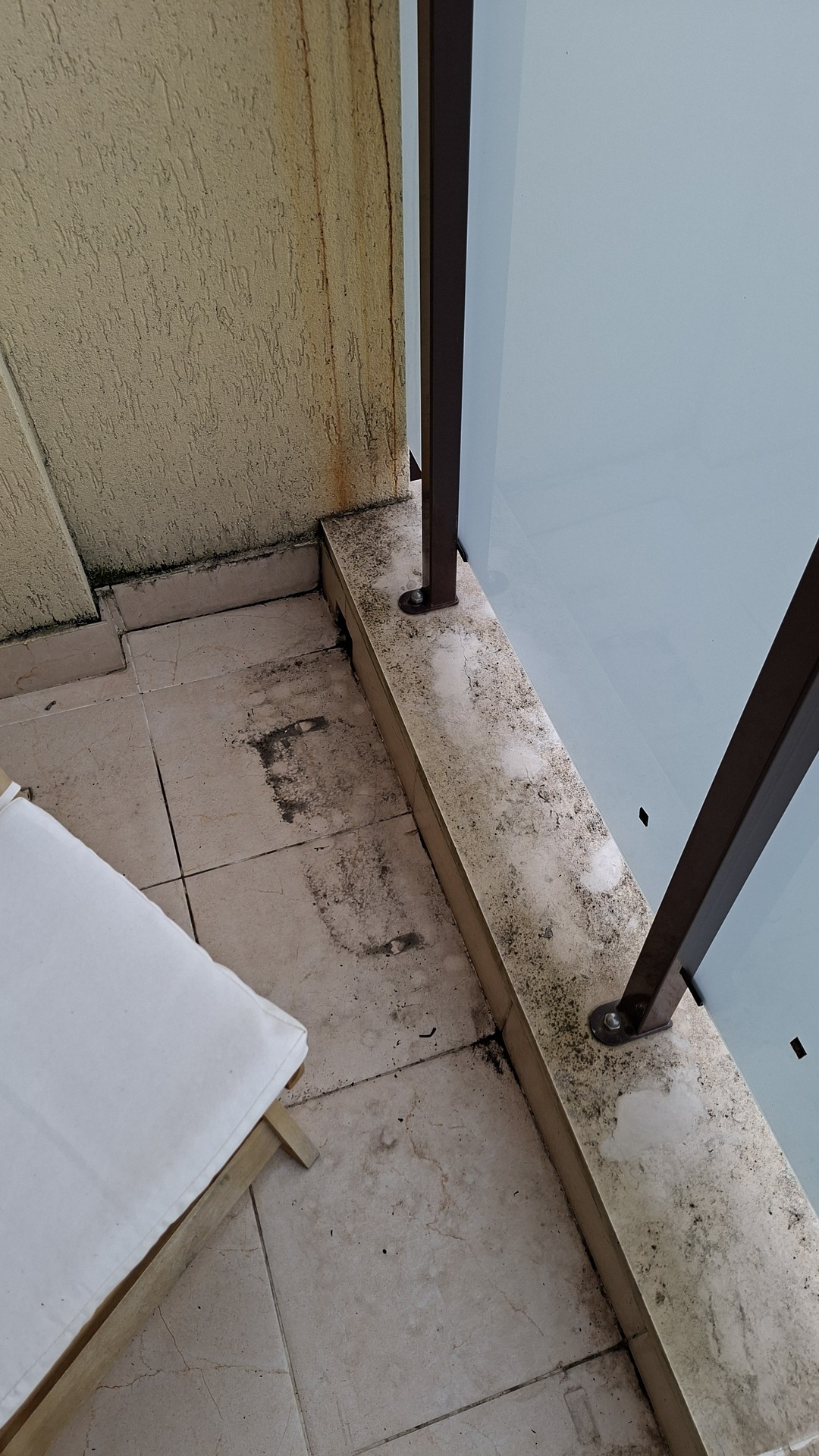
The team does not wash carpets on site when the material requires workshop cleaning, does not treat mould inside walls and does not dismantle furniture. If there are delicate fabrics, natural stone, oiled wood or lacquered surfaces, the client should point them out before work starts so a small-area test can be made.
Window washing, kitchen cleaning and bathroom care for local build-up
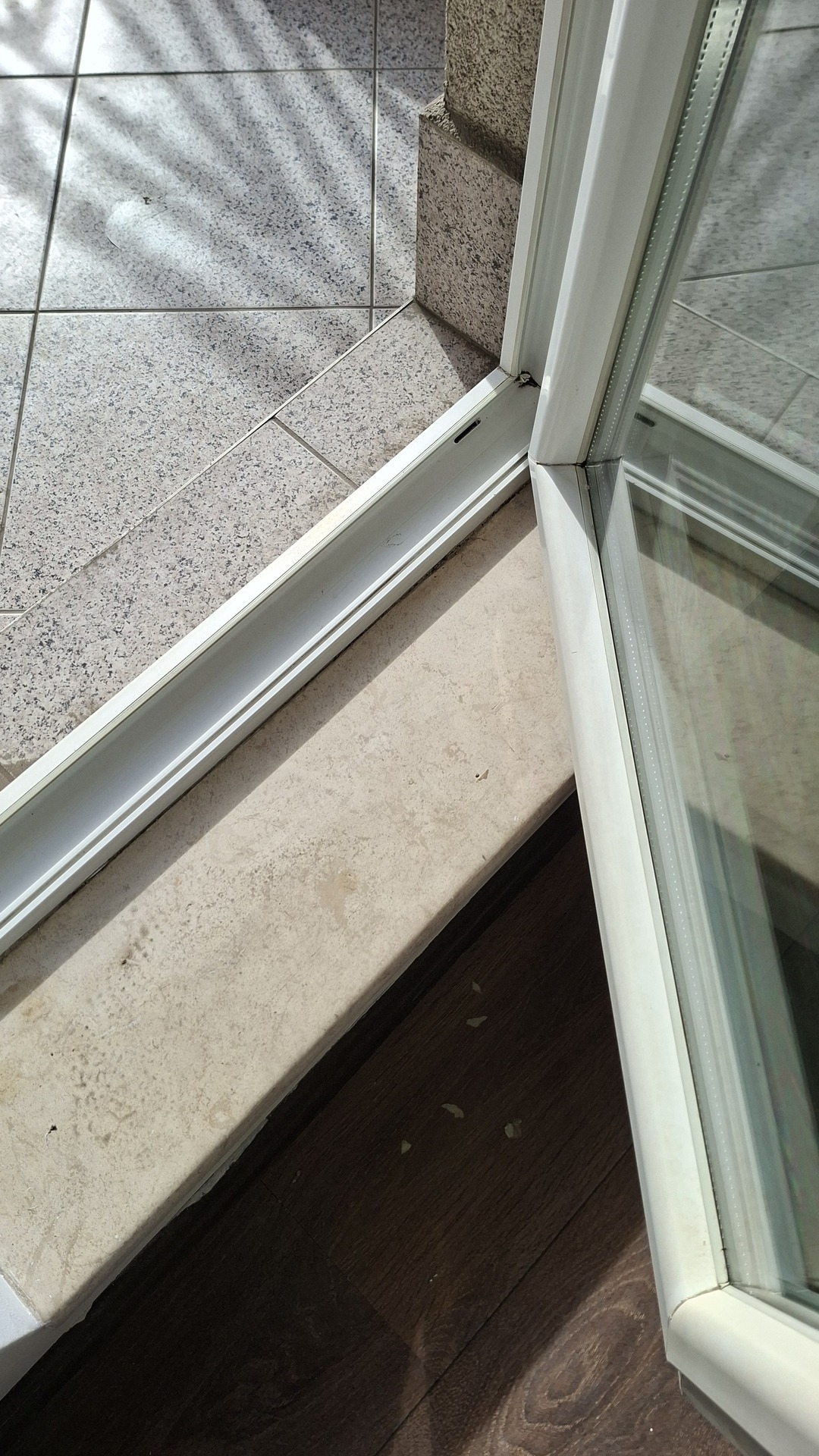
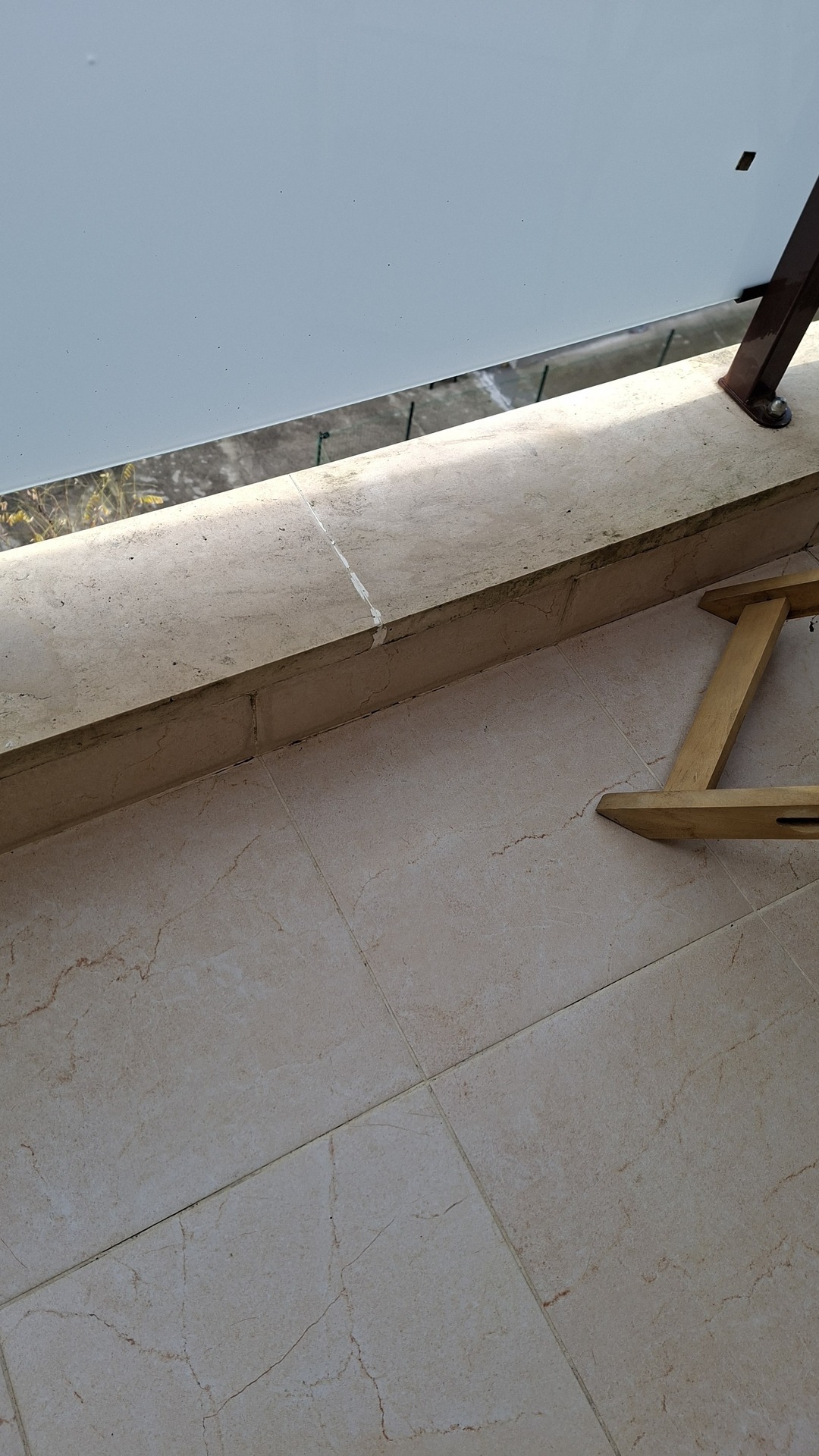
Window cleaning in Стара Загора is often booked separately in spring and after dry summer periods, when fine residue remains on glass, insect screens and window tracks. A standard visit includes interior glass and reachable frames; the outside is handled only where there is safe access from the floor or a stable balcony. High facade sections, removal of heavy window panels and risky access are not part of the home service.
- BathroomSinks, taps, tiles in the used area, shower cabin or screen, toilet, external cabinet surfaces and floor are cleaned with products matched to limescale and grout.
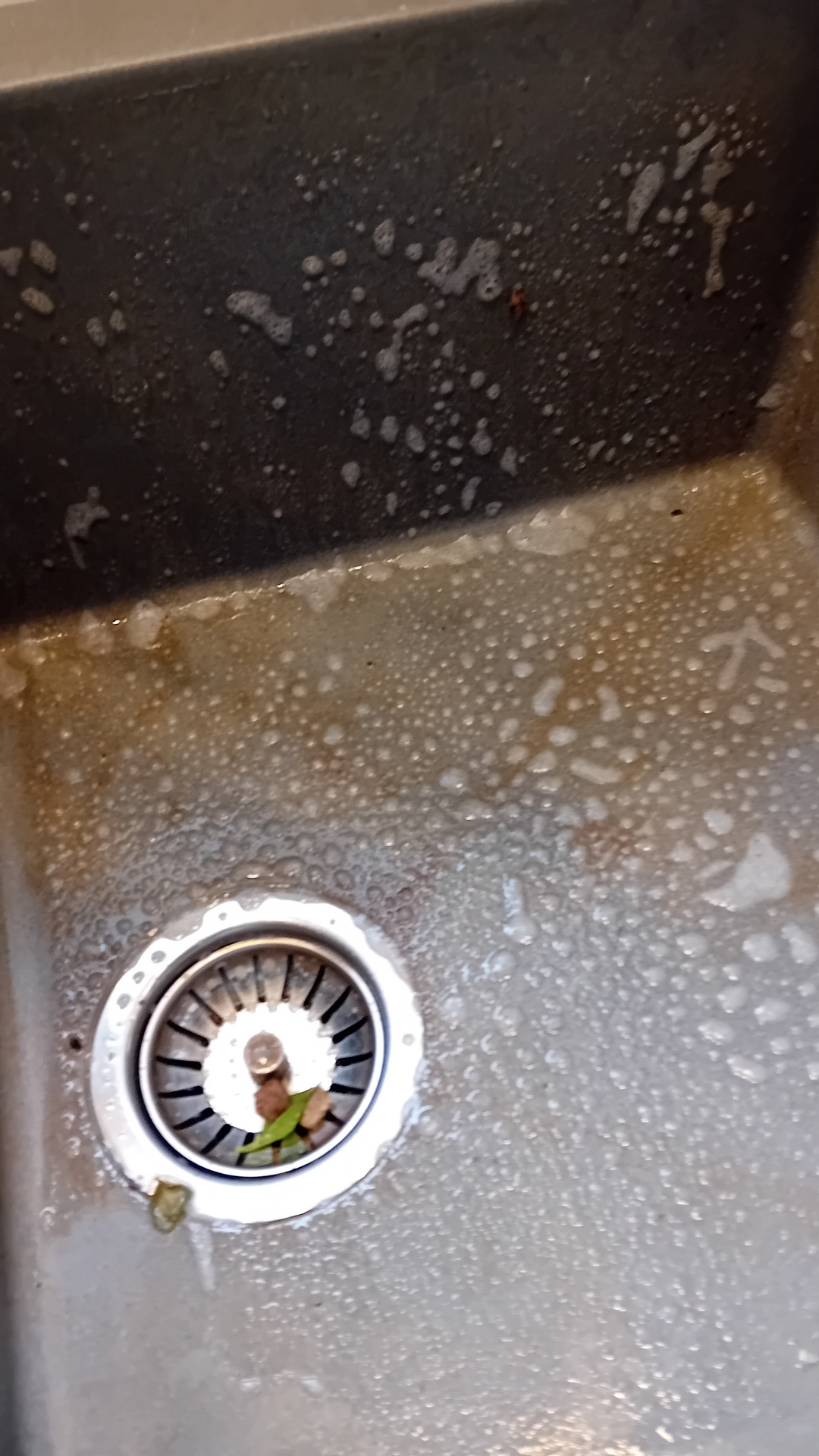
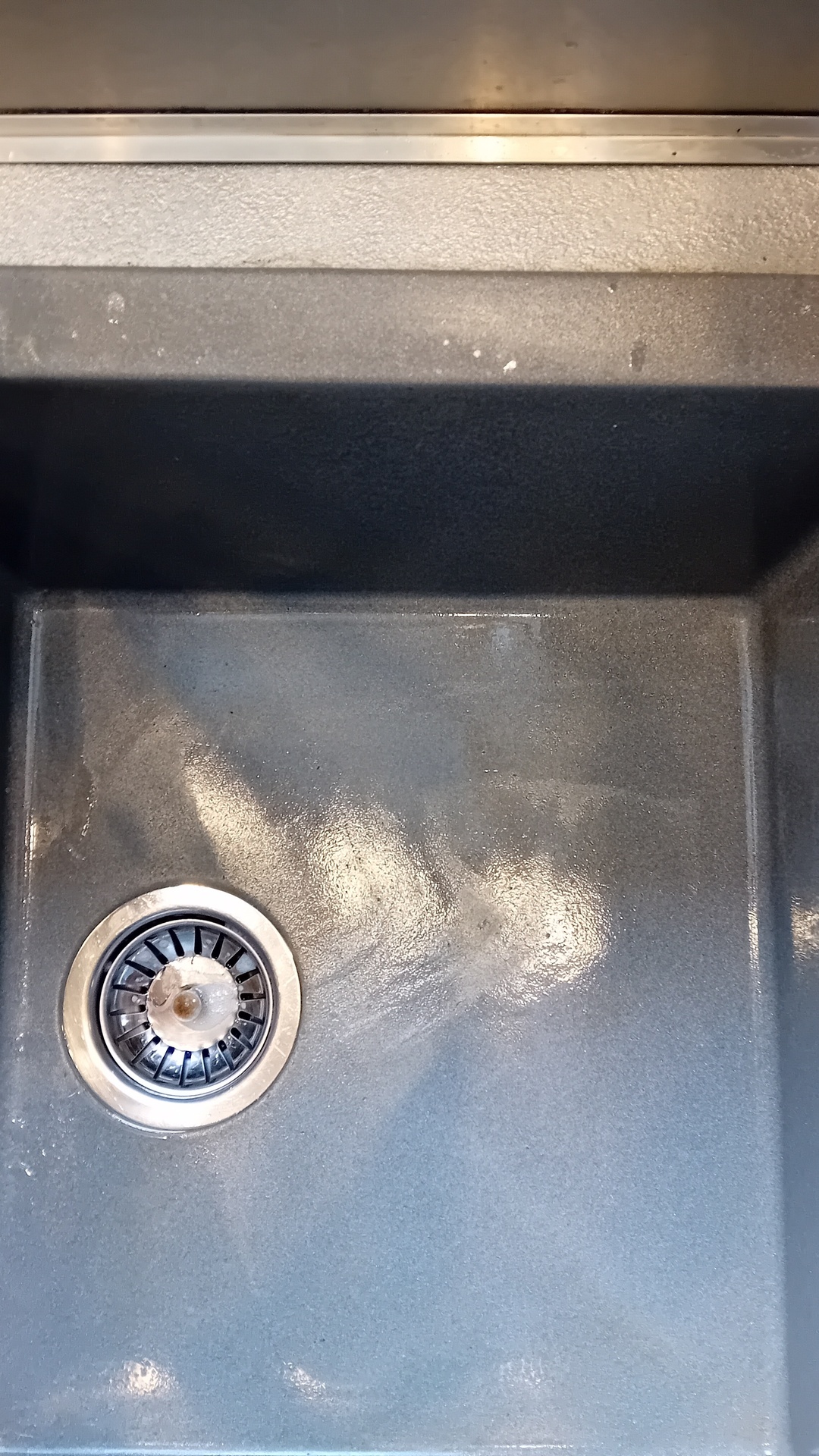
- KitchenWorktops, backsplash, hob, sink, external cabinet fronts and appliance surfaces are treated; burnt oven grease is booked separately through oven cleaning.
- GlassWhen conditions allow, frames, sills and fingerprints are included, while paint, silicone and construction residue need a different method.
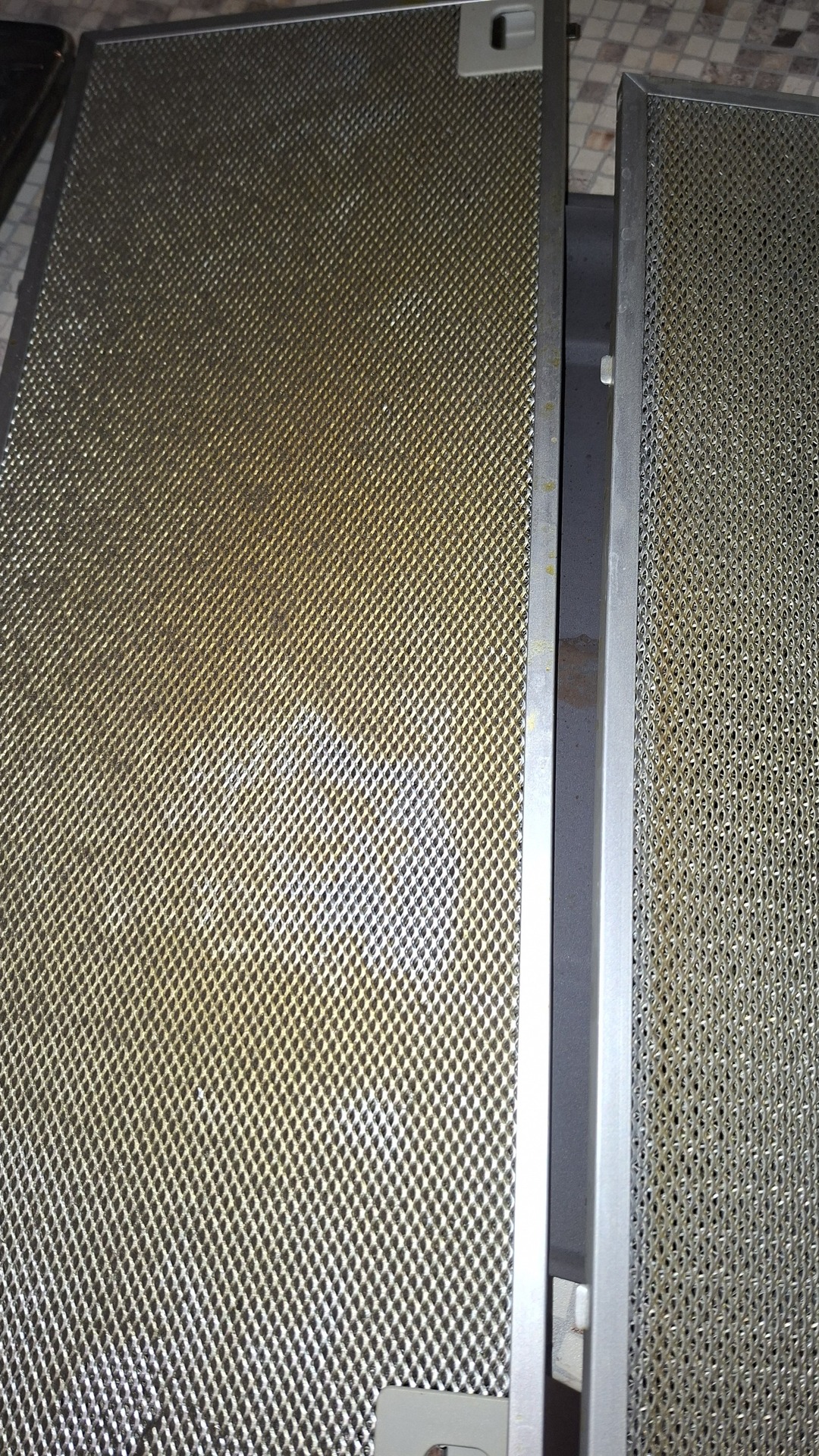
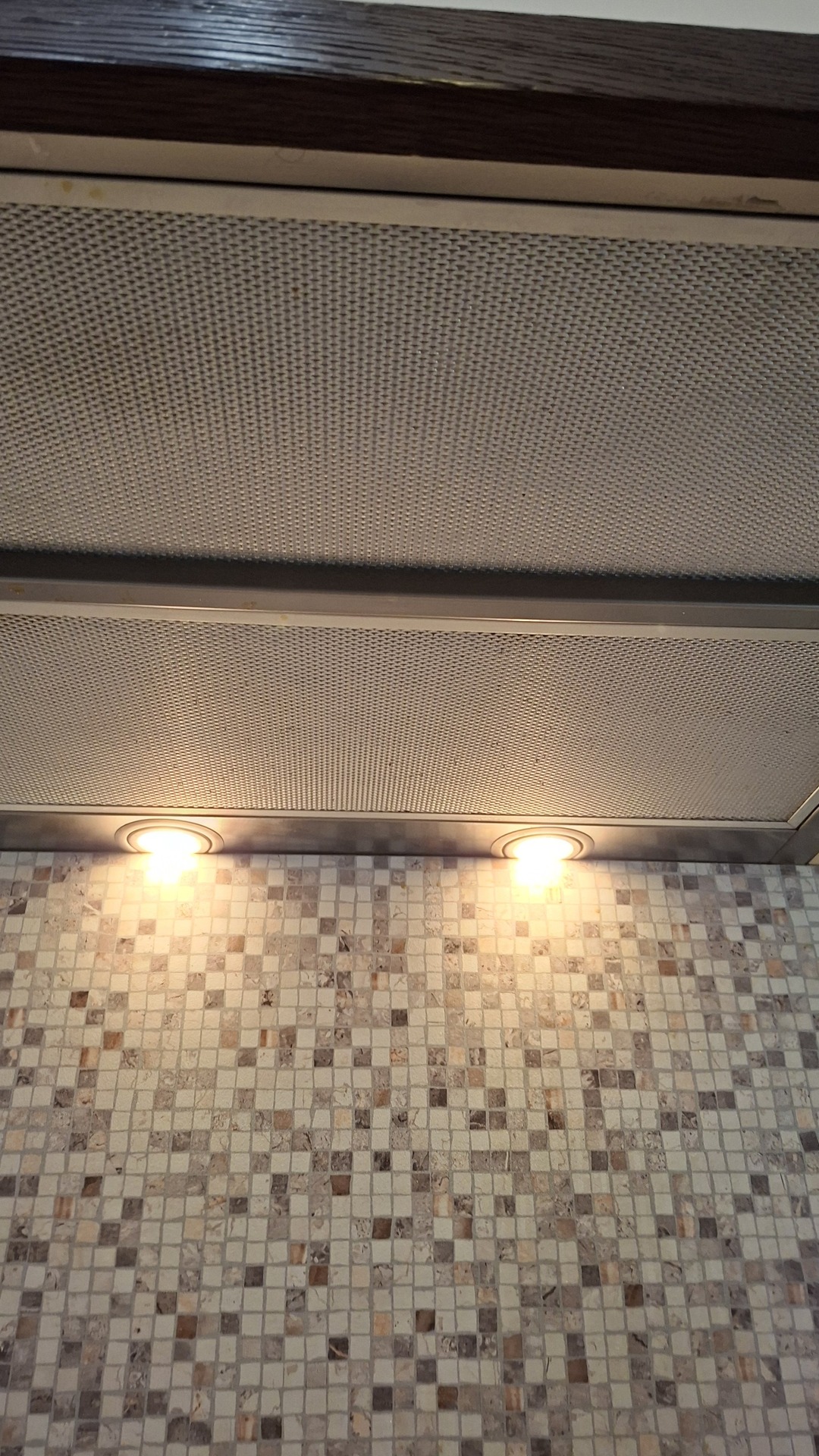
The municipal programme for replacing heating appliances shows that some households switched from solid fuel to other options, including air conditioners and gas units; this reduces soot, but it does not remove the need for seasonal wiping of filters, grilles, sills and areas around windows according to the appliance replacement reported by the municipality.
Preparation before a home clean and clear service limits
For the visit to run without interruptions, the team needs access to the home, working water and electricity, a free sink for filling buckets and a quick note on where equipment may be placed. Personal documents, cash, jewellery, medication and small loose items should be put away in advance; this keeps the booked time focused on cleaning rather than sorting objects with no obvious place.
The home service does not include moving heavy furniture, removing construction waste, treating hazardous contamination, removing mould from the building structure, restoring floors or working on exterior parts without safe access. For a weekly or fortnightly schedule, tasks are usually divided so the kitchen and bathroom are maintained every time, while windows, oven, upholstery and cabinet interiors are added on request.
 WORK
WORK