


Professional cleaning in Sofia for city dust, soft water and different home layouts
In Sofia homes, dirt rarely comes only from everyday use. Fine particles from busy boulevards, pollen from green spaces between buildings, traces from winter heating and post-construction residue in newer southern districts settle differently on floors, window frames, worktops and textiles. That is why a booking for professional cleaning usually starts with the type of home, access, surfaces and rooms, not just floor area.
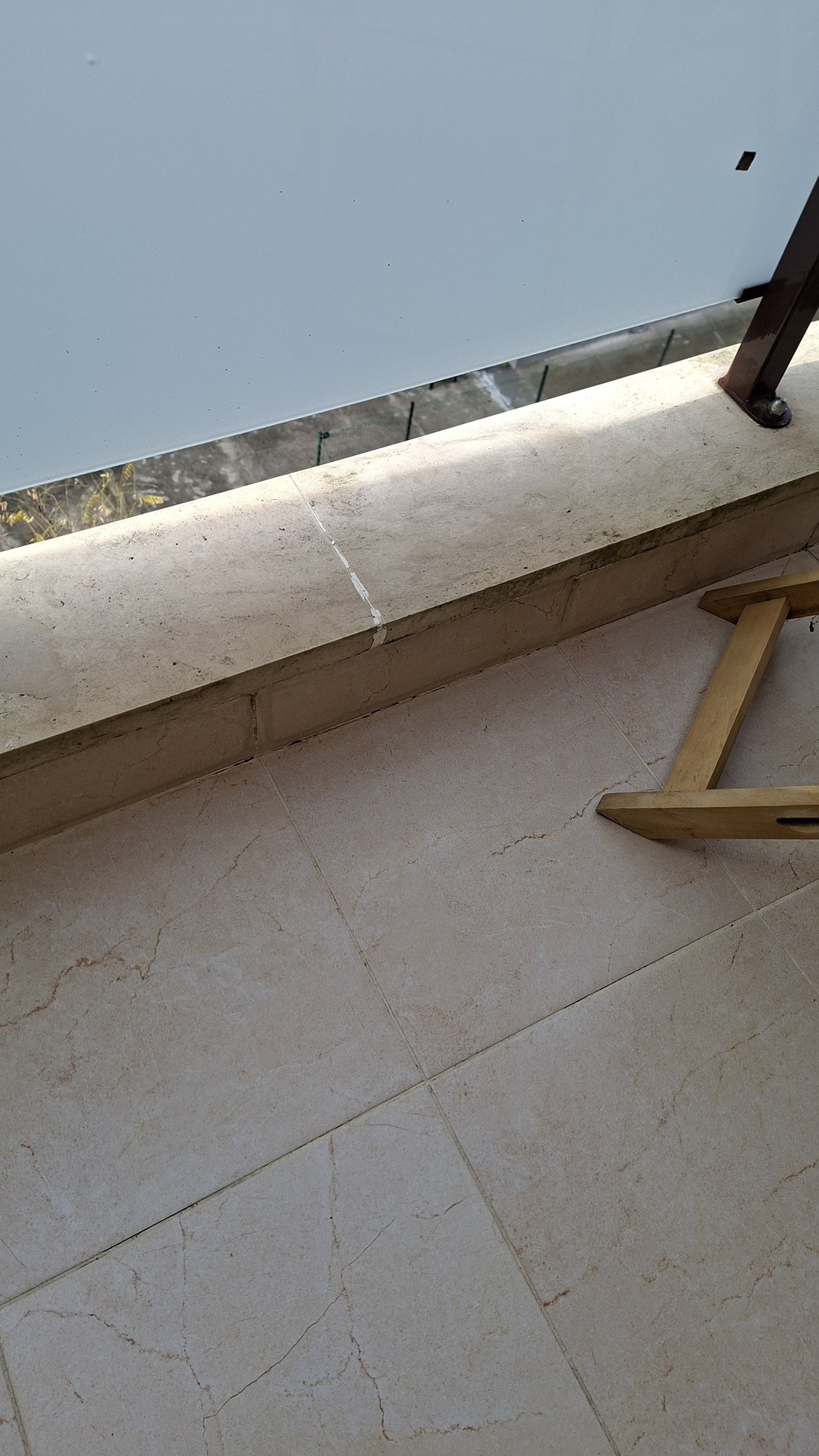
When residents look for professional cleaning in Sofia, the usual choice is between regular maintenance, a deeper one-off clean and heavier work after renovation. In Center and Oborishte, the team often spends more time on high cabinets, skirting boards, wooden window frames and radiators in older buildings. In Manastirski livadi and Krastova vada, the work more often includes fine construction dust in grout lines, large glass surfaces and balconies that collect residue from nearby building activity.
Sofia has a temperate continental climate with distinct cold and warm periods, which changes the focus through the year: in winter, cleaners deal more with mud and heating-related film, while in spring and early summer more attention goes to windows, insect screens, filters and upholstery where pollen and city dust accumulate.
Dusting and washing by district and home type
In Lozenets and Iztok, the mix of greenery, busy roads and homes with parquet flooring calls for careful dry dust removal before any wet treatment. If a wet mop is used too early, fine particles smear into joints and along skirting edges. During a regular visit, cleaners usually start with visible high areas, shelves, touch surfaces and window ledges, then move to the floors.
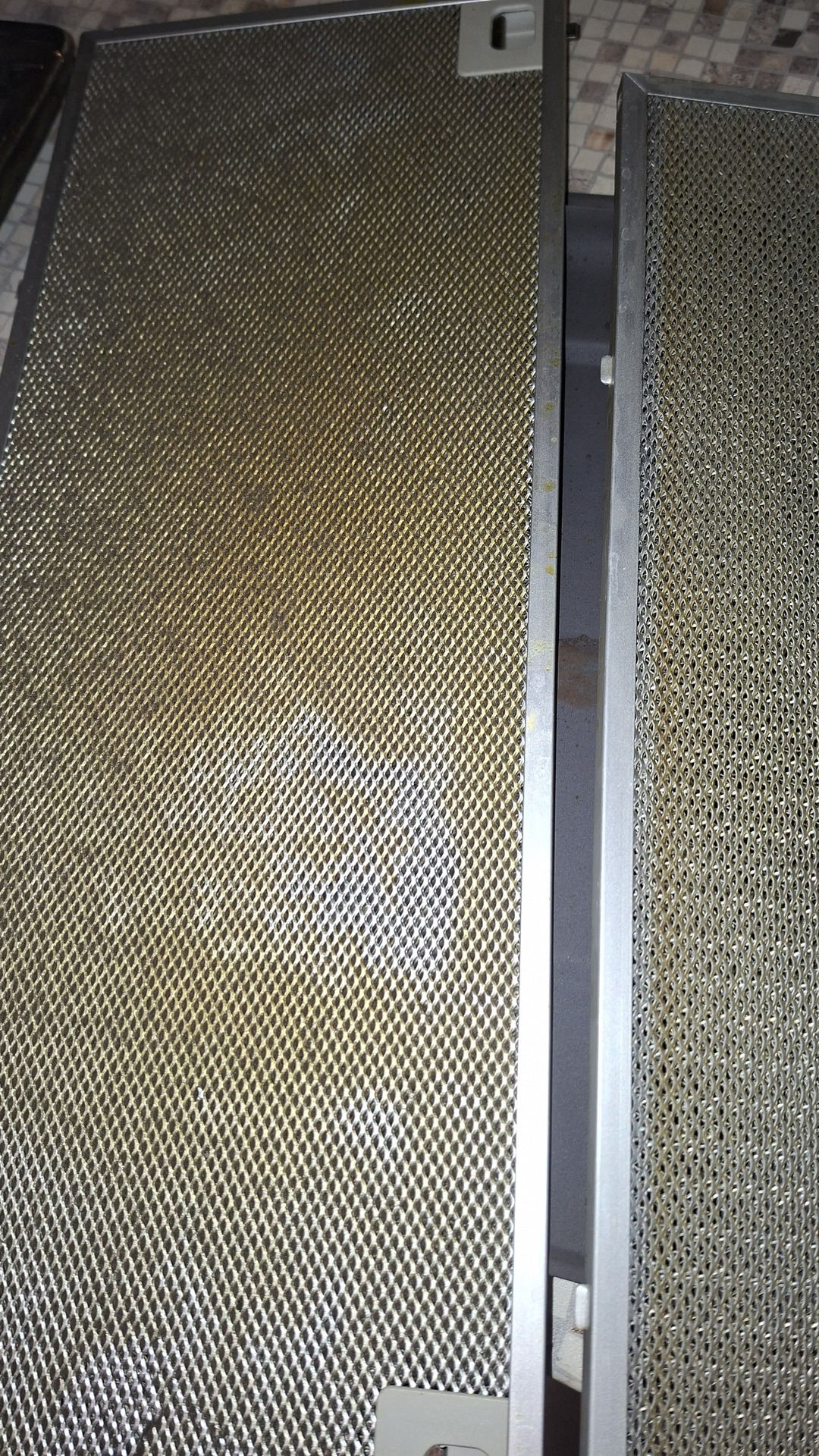
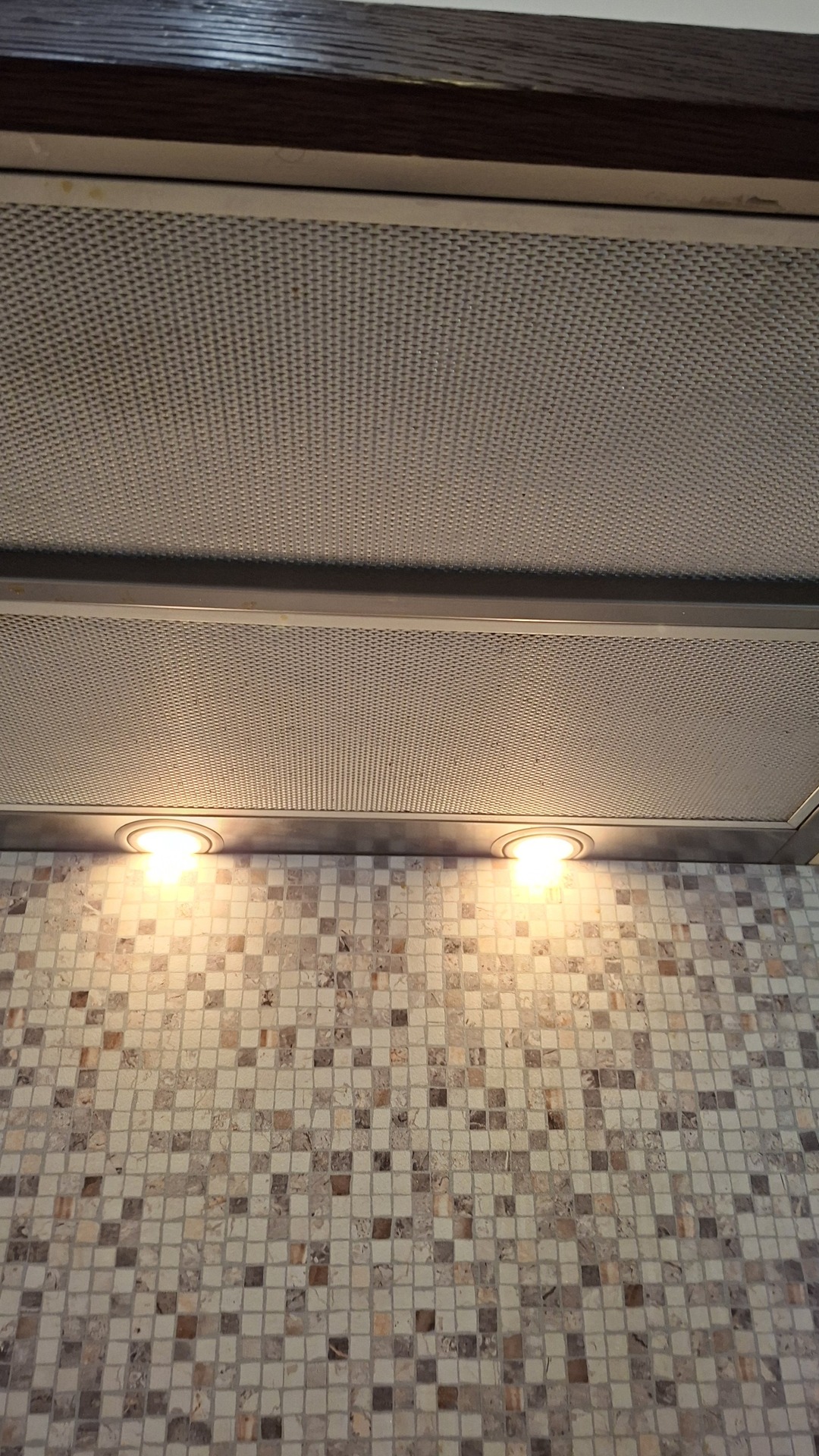
In Dianabad, Geo Milev and Strelbishte, many homes have compact kitchens, radiators under windows and tighter utility corners. There, the team works in stages: clearing the worktops, treating greasy deposits around the hob and extractor, wiping cabinet fronts and only then washing the floor. A typical maintenance visit for a one-bedroom home usually takes about 3–4 hours for one cleaner; a larger two-bedroom home with more bathroom and kitchen surfaces often needs 4–6 hours, or two cleaners if access time is shorter.
- Older buildingsHigh ceilings, decorative trims and wooden details require more time for hand wiping and gentler products.
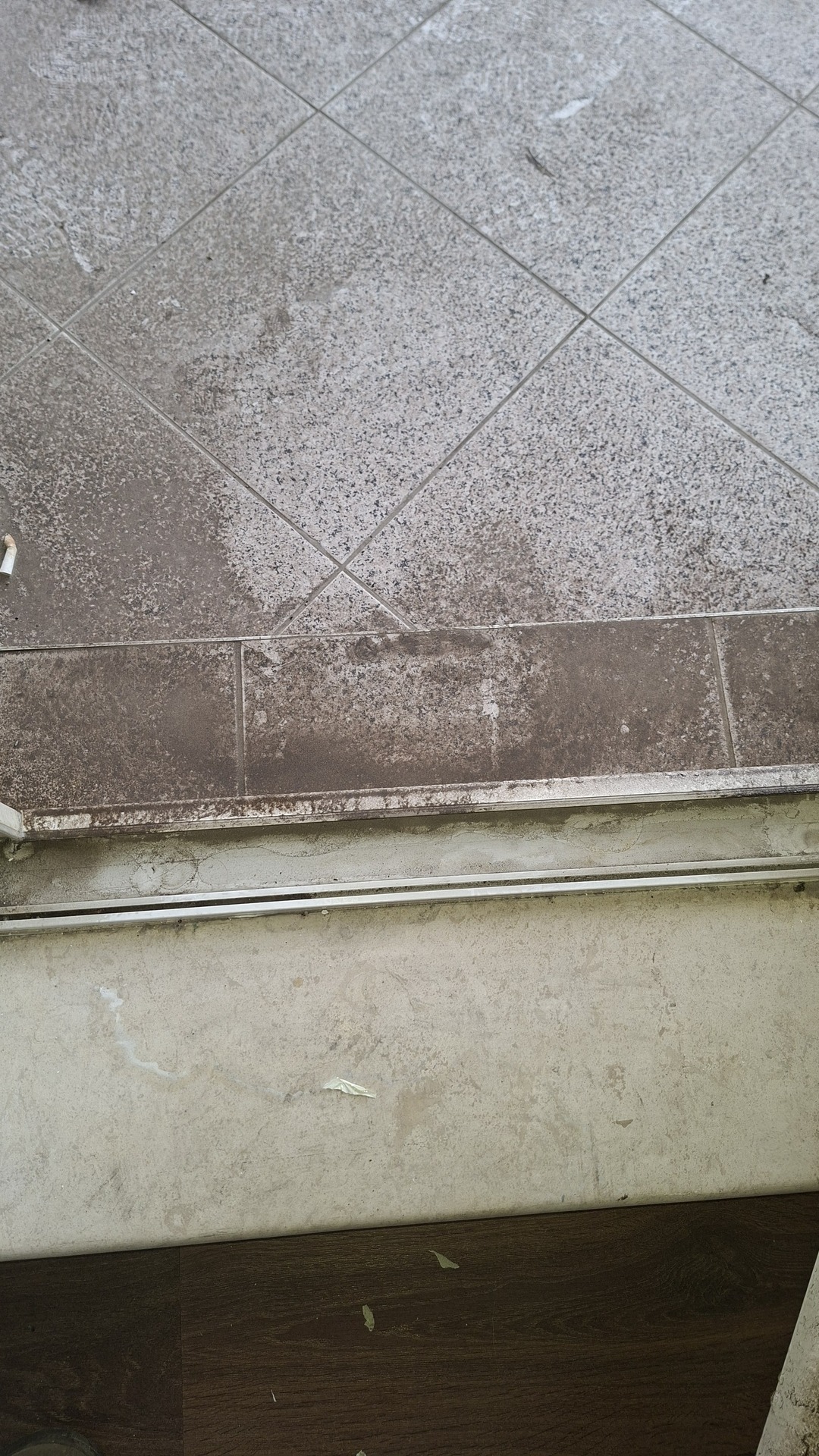
- Newer homesAfter finishing works, mineral residue is removed from grout, tiles and frames before the final fine wash.
- Homes near greeneryPollen enters through open windows and settles in curtains, sofas and insect screens.
Bathroom, kitchen and limescale with Sofia’s soft water
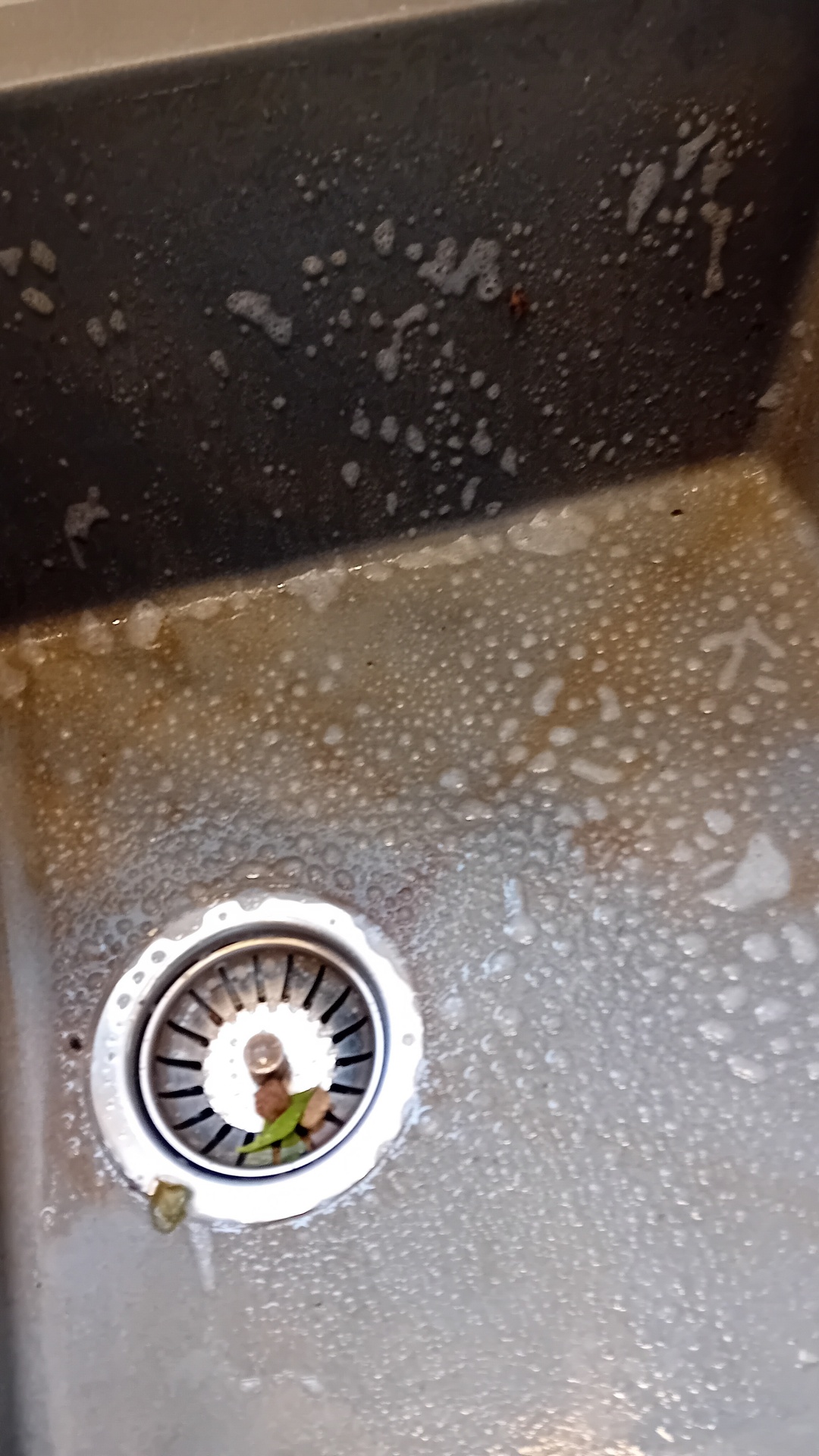
Bathrooms in Sofia usually do not fight the same heavy limescale found in cities with harder water, because the local supplier describes the drinking water as soft water with low total hardness. That does not remove the need for detailed cleaning: shower screens and taps still collect soap marks, while moisture and cosmetic residue stay around silicone edges.
During deep cleaning of a home, the bathroom is handled after dry dust removal so particles are not brought back onto wet surfaces. Toilet, sink, shower area, grout, mirror and floor are treated with separate cloths and products. In the kitchen the order is different: greasy zones around the worktop and appliances are treated before cabinets and floors, and interior oven or fridge cleaning can be added when requested.
Window cleaning, balconies and filters after the heating months
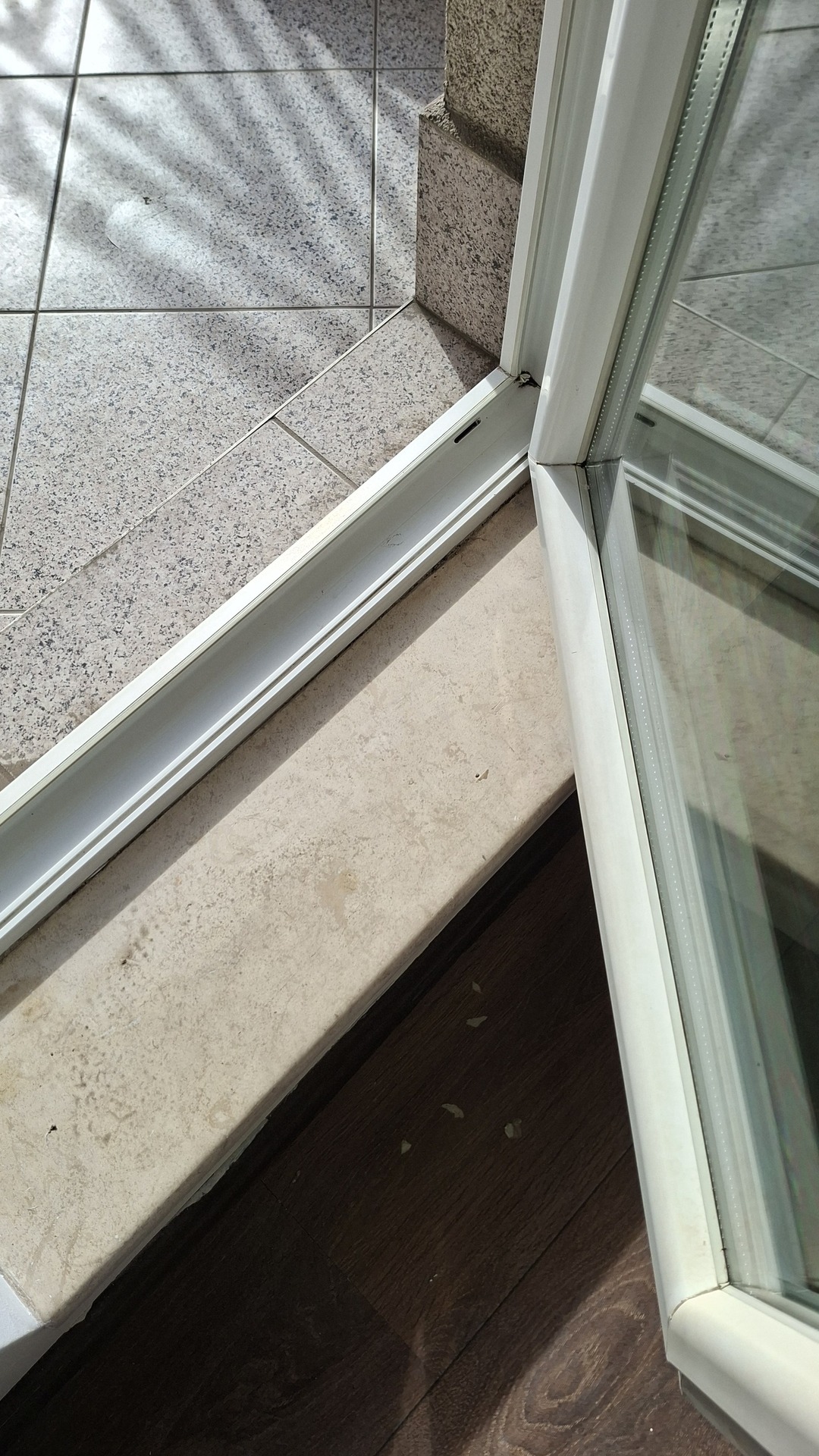
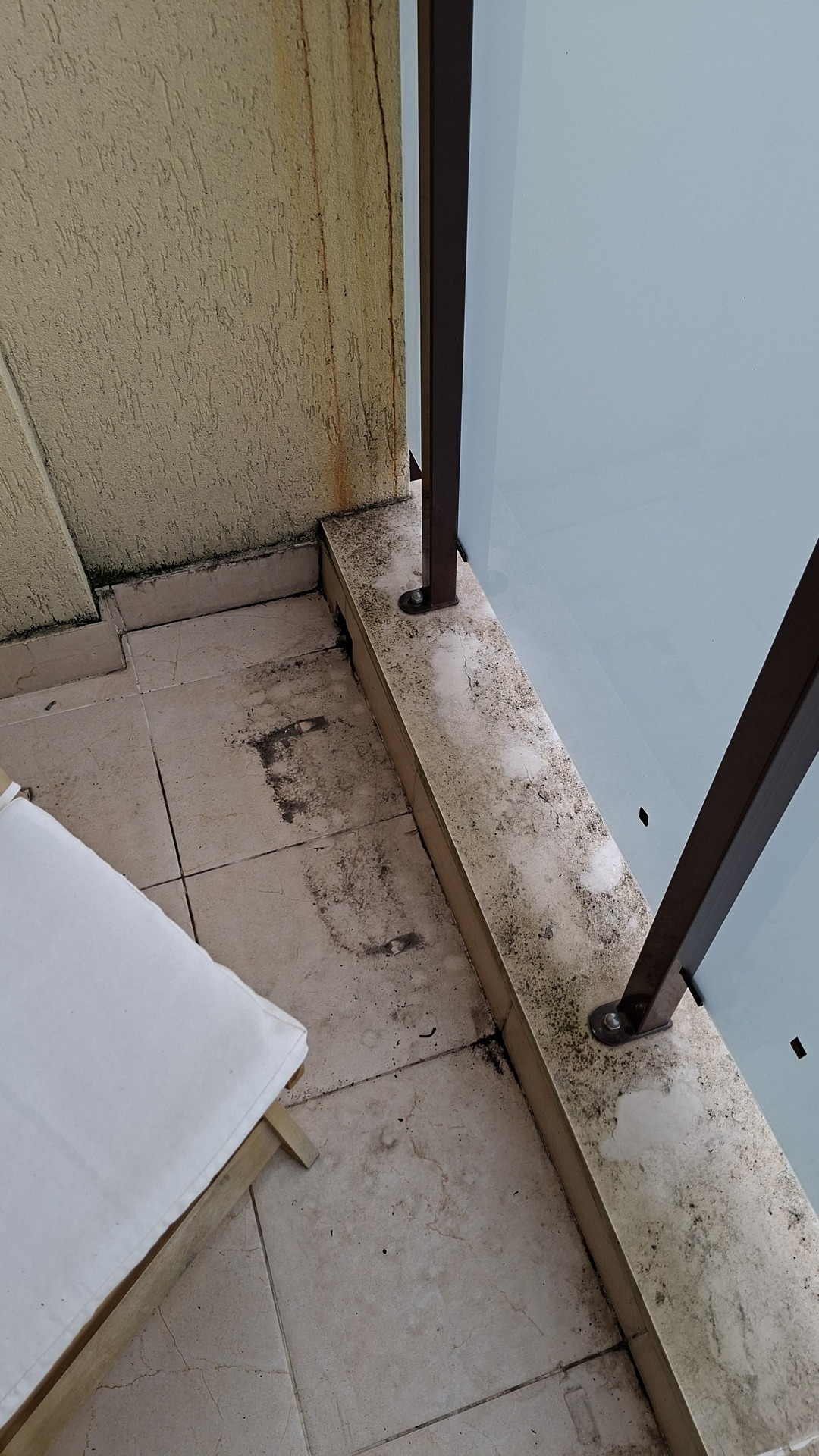
The winter layer on Sofia windows is often a mix of condensation, dust and sooty film. In older-building areas such as Center and Oborishte, frames have more edges and older seals that collect a dark line on the inside. In Boyana and Dragalevtsi, balconies and entrances in houses closer to Vitosha more often hold muddy marks, pine needles and leaf debris.
For window cleaning, access, number of panes, height and insect screens are clarified in advance. A home visit does not include unsafe exterior reaching without proper access, dismantling heavy structures or façade work. Where solid-fuel heating is used, a more stubborn film remains on sills and grilles; this also appears in the city rules on domestic heating with wood and coal, because that residue is most noticeable when frames, blinds and air-conditioner filters are cleaned.
Preparation before the visit and the cleaning order
The most practical preparation is to put away personal items from worktops, bathrooms and floors, provide access to water and electricity, and point out sensitive surfaces: natural stone, solid wood, lacquered parquet, brass or appliances with coatings that scratch easily. If there are pets, it is best to keep them in a room that is not being cleaned at that moment.
The usual order is top to bottom and dry to wet: dust removal, touch surfaces, kitchen, bathrooms, floors. Home cleaning does not include moving very heavy furniture, removing construction waste, cleaning after serious household accidents or pest treatment. If renovation residue is present, the right service is after-renovation cleaning, because different tools are needed for fine dust, grout and paint marks.
Textile cleaning and allergens in homes near parks and Vitosha
Vitosha, green spaces between buildings and mature trees along wide streets are pleasant for daily life, but during active flowering periods pollen enters easily through open windows. In Lozenets and Iztok it shows on dark furniture and glass tables, while in Boyana and Dragalevtsi it more often stays in entrance areas, rugs and upholstery after time spent outside.
For homes that have not been cleaned deeply for a while, dry dust removal is best combined with vacuuming sofas, chairs, mattresses and rugs. When visible stains or odours are present, sofa and upholstery cleaning is booked separately, because the equipment, drying time and products differ from standard wiping. In homes with small children or pets, textile work is usually planned for the first part of the visit so there is more time for airing.
 WORK